Private Music Lessons vs Group Classes: Which Is Better for Adults?
Updated November 10, 2026
Private lessons are better for fixing technique and working on your own goals. Group classes are better for timing, confidence and actually showing up. Most adults progress fastest with both: a couple of private lessons a month and a class or two a week. The right split depends on what tends to stop you.
What a Private Lesson Is Good For
- Corrections. A teacher watching only you catches the hand position, the breath or the stick grip that a class cannot stop for.
- Your material. The lesson goes where you need it: the song you chose, the bar you keep missing.
- Pace. Faster than a group if you practice, and no pressure to keep up if you do not.
What it is not good for: a private lesson is one hour a week with one other person. It does not teach you to keep time with other players, and nobody notices if you skip a week except the teacher you are paying.
What a Group Class Is Good For
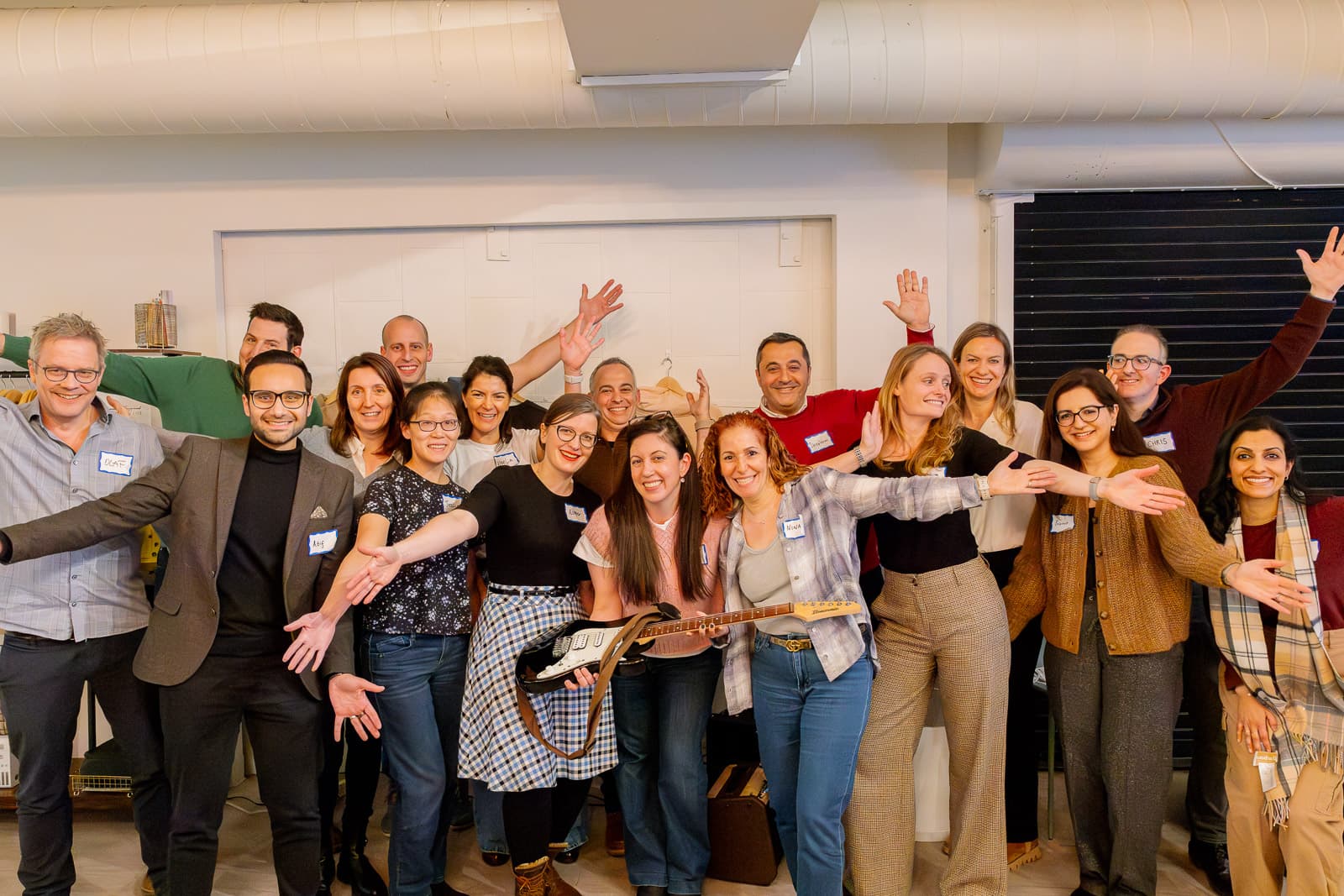
- Playing in time. Music is mostly done with other people. A class is where you learn to keep going when you make a mistake.
- Showing up. A class at a set time with people who expect you is harder to skip than solo practice.
- Nerve. Playing in front of five people every week is how playing in front of fifty stops being frightening.
- Cost per hour. Group classes in Boston typically run $20 to $40 a session, against $70 to $150 for a private hour.
What it is not good for: a class cannot rebuild your technique from scratch. And size matters. In a class of fifteen you wait your turn. In a group of 3 to 6 you play most of the hour.
Side by Side
- Typical Boston price: private, $70 to $150 an hour. Group, $20 to $40 a session.
- Feedback: private, constant and specific. Group, shared, plus what you learn from hearing others corrected.
- Schedule: private, fixed weekly slot. Group, pick the classes that fit this week.
- Best for: private, technique and personal goals. Group, rhythm, repertoire, confidence and habit.
- Biggest risk: private, practicing alone and drifting. Group, hiding at the back.
Which Should a Beginner Choose?
If you have never played, start with one private lesson so someone sets up your posture and tells you what to ignore. Then get into a beginner class quickly. Adults who only take private lessons tend to quit around month three, when progress slows and nobody else is involved. Adults who only take classes sometimes carry a fixable habit for a year.
By Instrument
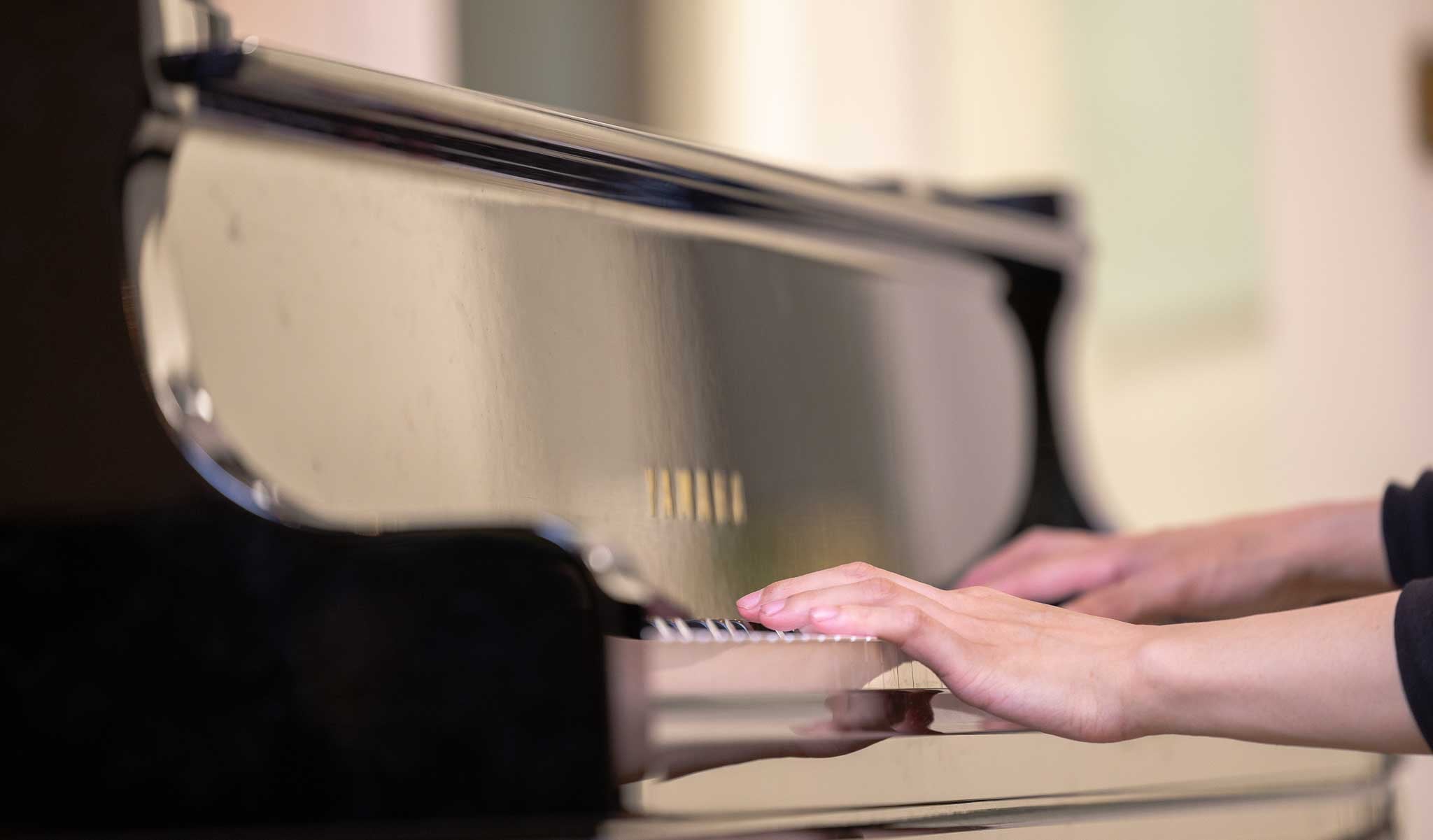
- Piano: classes work well when everyone has their own keyboard and headphones. Private lessons matter for hand position early on.
- Guitar: classes are ideal, because strumming songs together is the point. Use private time for the fretting hand.
- Voice: you need both. Private for range and breath, group for harmony and nerve.
- Drums: classes give you kit time and groove with others. Private lessons fix grip and coordination.
How We Combine Them
At Musicians Playground group classes are 3 to 6 adults and run like a fitness class: you book the ones that suit your week. Three membership tiers are group classes only, at $170, $220 and $280 a month. Two add private lessons: $320 a month with two private hours, and $480 with four, each with up to 8 group classes. Every instructor teaches their primary instrument only.
For what that works out to against paying per lesson, see membership vs pay per lesson. For how the classes run, see our quick guide to adult music group classes or this week's schedule.
Try Both in One Week
Start with the $100 Intro Week: a one hour private lesson, seven days of unlimited group classes and open practice time. It is a paid week, and the $100 applies toward a membership or a lesson pack if you continue.
Choosing a school rather than a format? Read how to choose an adult music school in Boston.
We are at 33 West Street, Downtown Crossing, Boston, MA 02111. Call (617) 356-8206 if that is easier.