Music Team Building vs Escape Rooms: Which Works Better?
Updated September 5, 2026
When it comes to choosing a team building activity in Boston, two options consistently rise to the top of the conversation: escape rooms and music-based experiences. Both are interactive, both require teamwork, and both promise to strengthen relationships among colleagues. But the similarities end there. If you’re an HR manager or event planner weighing music team building vs escape rooms, this comparison will help you understand which format actually delivers stronger results, and why the answer depends on what your team truly needs.
For a broader look at all available options, check out our complete guide to team building activities in Boston.
How Each Activity Works
Escape Rooms: Solve Under Pressure
In an escape room, your team is locked in a themed room and given 60 minutes to solve a series of puzzles to “escape.” The puzzles range from logic problems and pattern recognition to physical searches for hidden clues. Most rooms accommodate 6 to 10 participants, meaning larger teams must split into multiple rooms and work separately.
The experience is high-pressure by design. There’s a ticking clock, a pass/fail outcome, and the satisfaction (or frustration) of racing against time. For analytically-oriented teams, this format can feel exhilarating. For others, the pressure can produce anxiety rather than bonding.
Music Team Building: Create and Perform Together
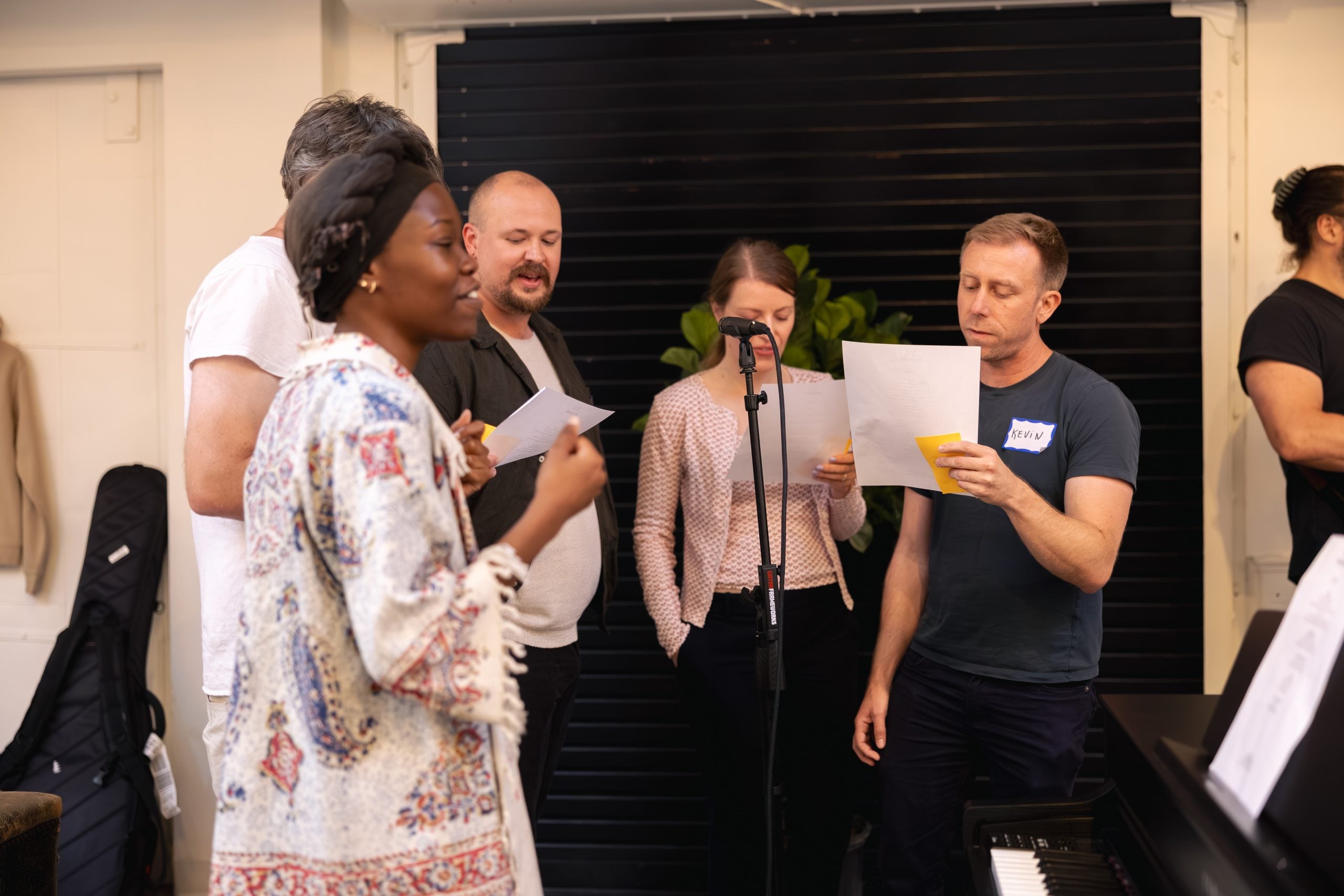
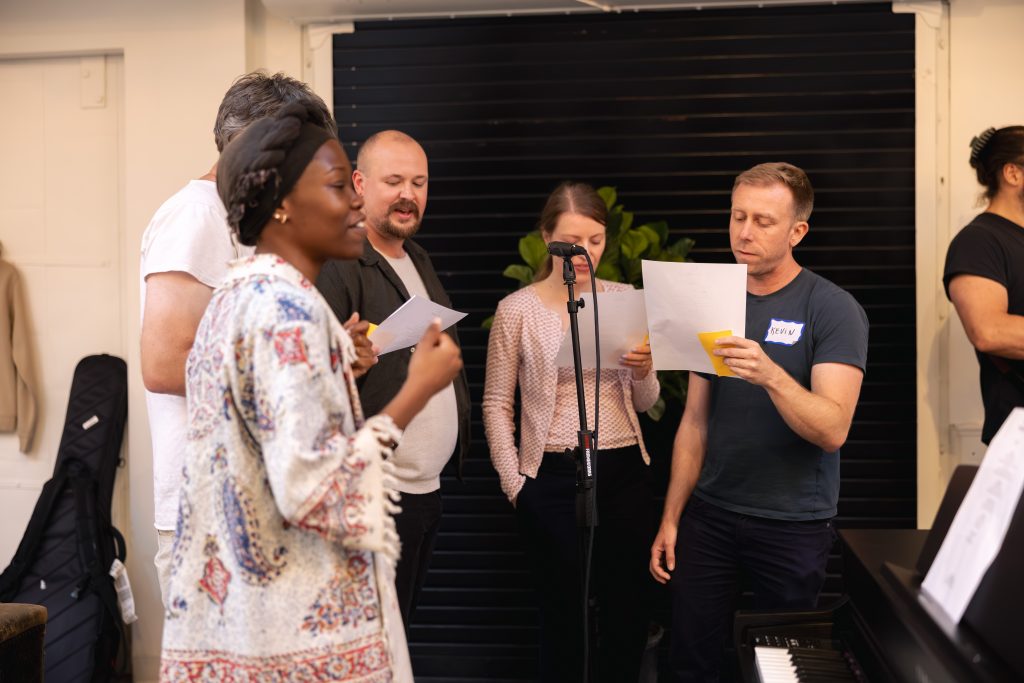
In a music-based team building event like Battle of the Bands at Musicians Playground, teams form bands and work with professional instructors to learn instruments, rehearse a song, and deliver a live performance, all in about two hours. No musical experience is needed. Participants choose roles across guitar, bass, drums, keyboard, and vocals.
The experience is collaborative rather than competitive. There’s no pass/fail, only the shared challenge of creating something together. The atmosphere is supportive, often includes food and drinks, and culminates in a performance that gets captured on video for the team to share afterward.
Head-to-Head Comparison
Group Size Flexibility
Escape rooms are typically limited to 8-10 people per room. For a team of 30, you’d need three or four separate rooms, and those sub-groups won’t interact with each other during the activity. The team building happens within small clusters, not across the full team.
Music team building scales naturally from 10 to 40 participants. Multiple bands form and rehearse simultaneously, then come together for a shared performance event. The entire team witnesses each band’s performance, creating a unified experience regardless of group size.
Winner for group size: Music team building, especially for teams of 15 or more.
Equal Participation
Escape rooms tend to favor participants who are strong at logic puzzles, spatial reasoning, and pattern recognition. It’s common for two or three participants to dominate the puzzle-solving while others watch or wander the room looking for things to do. Introverts and non-analytical thinkers can feel sidelined.
Music team building levels the playing field because almost nobody has experience performing in a band. Everyone starts as a beginner, and every role, vocalist, drummer, guitarist, keyboardist, is essential to the final performance. There’s no way to contribute by watching; you have to play.
Winner for participation: Music team building, every person has a defined, necessary role.
Skill Transfer to the Workplace
Escape rooms develop problem-solving under pressure, delegation, and communication in high-stress situations. These are genuinely useful professional skills, though the artificial time pressure and puzzles don’t closely mirror most workplace scenarios.
Music team building develops active listening, real-time adaptation, creative collaboration, and comfort with vulnerability. Playing music together requires constantly adjusting to what others are doing, a direct parallel to how effective teams operate in the workplace. The experience of performing something you didn’t think you could do also builds confidence and a bias toward action.
Winner for skill transfer: Music team building, the skills practiced more closely mirror real-world teamwork.
Emotional Impact and Memorability
Escape rooms produce a satisfying “we did it” moment when the team escapes, or a shared frustration when they don’t. The memory is primarily cognitive, participants remember the puzzles they solved and the strategies they used. Most teams don’t have a tangible takeaway.
Music team building creates a deeply emotional experience. Performing music together activates the brain’s reward and social bonding circuits in ways that puzzle-solving doesn’t. For the science behind this, see our article on why music builds better teams. The performance video becomes a lasting artifact that teams share internally for months, reinforcing the bonding experience well after the event.
Winner for impact: Music team building, the emotional resonance and video artifact extend the impact far beyond the event itself.
Comfort Zone and Vulnerability
Escape rooms stretch participants intellectually but don’t typically require personal vulnerability. You’re solving external puzzles, not putting yourself out there.
Music team building asks participants to be genuinely vulnerable, singing or playing an instrument in front of colleagues is inherently personal. That shared vulnerability is actually the secret ingredient. Research consistently shows that teams build trust fastest when members are vulnerable together in a psychologically safe environment. The working Boston musicians at Musicians Playground create exactly that environment, ensuring the vulnerability feels exciting rather than threatening.
Winner for trust-building: Music team building, shared vulnerability accelerates trust formation.
Atmosphere and Enjoyment
Escape rooms are intense and focused. The ticking clock creates urgency that some teams love and others find stressful. There’s typically no food, drinks, or socializing built into the format.
Music team building combines structured collaboration with a social, celebratory atmosphere. Events often include food and drinks, and the performance itself becomes a party. The energy is high but positive, excitement rather than anxiety.
Winner for atmosphere: Music team building, the format naturally blends work and celebration.
When to Choose Each Option
Choose an escape room when: Your team is small (under 10 people), highly analytical, and thrives on competitive pressure. Escape rooms also work well as a quick add-on to a longer team outing, a 60-minute session followed by dinner, for example.
Choose music team building when: You want an experience that brings your entire team together (any size from 10 to 40), equalizes participation across personality types and seniority levels, builds genuine emotional connections, and produces a shareable outcome that extends the experience. Music is the clear choice for annual team building events, department offsites, company celebrations, and any situation where your goal is lasting culture impact.
Looking for more unique team building activities that actually improve performance? We’ve written a dedicated guide for teams ready to move beyond the usual options.
Book a Battle of the Bands Experience
At Musicians Playground in Downtown Boston, our Battle of the Bands corporate events transform complete beginners into performing bands in just two hours. Groups of 10 to 40 are welcome, all instruments and equipment are provided, and our working Boston musicians ensure every participant has a blast. Book your free consultation to start planning your event!