How to Plan a Team Building Event in Boston: A Step-by-Step Guide
Updated September 5, 2026
Planning a team building event shouldn’t feel like a second job. But without a clear process, what starts as a simple initiative can spiral into weeks of indecision, venue hunting, and email chains that go nowhere. If you’re responsible for planning a team building event in Boston: whether you’re an HR coordinator, an office manager, a team lead, or an executive assistant. This step-by-step guide will help you move from “we should do something” to “that was amazing” with minimal stress and maximum impact.
Step 1: Define Your Goals (Before You Search for Activities)
The most common mistake in team building planning is starting with the activity instead of the objective. Before you Google “fun things to do in Boston,” answer these questions:
What problem are you solving? Is your team siloed across departments? Struggling with communication? In need of morale boost after a tough quarter? Onboarding a batch of new hires? The answer shapes everything.
What does success look like? Not in vague terms (“better teamwork”) but in specific ones: “People from engineering and marketing have a conversation they wouldn’t normally have.” “Everyone on the team can name something they learned about a colleague.” “The team produces a shared artifact they reference for months.”
Who are you planning for? Consider the full range of personalities, physical abilities, dietary needs, and social preferences on your team. An activity that thrills extroverts might alienate introverts. An athletic challenge might exclude team members with mobility limitations.
Step 2: Set Your Budget and Group Size
With your goals clear, establish practical constraints. Most team building activities in Boston fall into three budget tiers:
Budget tier ($20-50 per person): Self-guided activities, park outings, trivia at a bar, or casual group dining. Lower structure, lower facilitation, but easy to organize. See our guide to team building on a budget in Boston for ideas.
Mid-range tier ($50-150 per person): Facilitated experiences like escape rooms, cooking classes, music-based team building, and improv workshops. These typically include professional facilitation, all materials/equipment, and a structured program. This is the sweet spot for most corporate teams.
Premium tier ($150+ per person): Full-day retreats, multi-activity programs, or premium venue experiences with catering, professional videography, and executive-level facilitation. Best for annual events, leadership retreats, or milestone celebrations.
Group size directly affects your options. Some activities cap at 10-12 per session (escape rooms, some cooking classes), some run 10 to 40 (music-based events such as Battle of the Bands), while others scale to 100+ (outdoor challenges, charity projects). Know your headcount before you start contacting venues.
Step 3: Choose the Right Activity Type
Match the activity to your goals from Step 1. Here’s a quick decision framework:
Goal: Break down silos between departments → Choose activities that form cross-functional teams. Music-based Battle of the Bands events naturally shuffle people into new groups. Scavenger hunts with assigned teams also work.
Goal: Build trust and psychological safety → Choose activities involving shared vulnerability and creative risk. Music team building is the strongest option here, the shared experience of learning and performing together accelerates trust formation. For the research behind this, see our article on the science of team building.
Goal: Celebrate and boost morale → Choose activities with high entertainment value and a social component. Music performances, food tours, or harbor cruises pair structured fun with relaxed socializing.
Goal: Develop specific skills → Choose activities with built-in debrief components. Improv workshops explicitly develop communication skills. Music team building develops listening and collaboration. Escape rooms develop problem-solving under pressure.
Step 4: Handle Logistics
Timing
Book 4-6 weeks in advance for standard activities, 8-12 weeks for premium or custom events. Fall (September-November) is the busiest season for team building in Boston, so book early. The best day-of-week is Tuesday through Thursday; the best start time is 3:00-5:00 PM, late enough to feel like a reward, early enough that people aren’t exhausted.
Location
Prioritize transit accessibility. Downtown Boston is the most central option, accessible from every MBTA line. If your team is concentrated in one neighborhood (Cambridge, Seaport, Back Bay), choose a venue in or adjacent to that area to minimize commute friction.
Communication
Send a save-the-date 3-4 weeks before the event. Include: date, time, location with transit directions, what to expect (without spoiling surprises), what to wear, and any dietary preference forms if food is involved. Send a reminder one week before and the day before. Enthusiasm in your communications sets the tone, if the invite sounds boring, people will expect a boring event.
Food and Drinks
If the activity itself doesn’t include food, plan for a post-event dinner or drinks nearby. Sharing a meal after a shared experience deepens the bonding effect. For Downtown Boston events, there are excellent restaurant options within walking distance of most venues.
Step 5: Day-of Execution
On the day of the event, your primary job is energy management, not logistics. The venue and facilitators handle the activity. You handle the vibe.
Arrive early. Get to the venue 15-30 minutes before your team to handle any last-minute questions and ensure the space is ready.
Set the tone. When people arrive, be visibly excited. Your energy is contagious, if you seem like this is a checkbox, they’ll treat it like one. If you seem genuinely enthusiastic, they’ll lean in.
Step back during the activity. Once the facilitators take over, participate fully. Don’t hover or manage. Let the experience do its work.
Capture moments. Designate someone to take photos and video (or confirm that the venue provides this). These assets are essential for post-event communication and for reinforcing the experience in the weeks that follow.
Step 6: Follow Up (This Is Where Most Planners Drop the Ball)
The event itself is only half the impact. What you do in the following days determines whether the experience creates lasting change or fades into a pleasant memory.
Within 24 hours: Send a thank-you message to the team with event photos or video highlights. If the activity produced a shareable artifact (like a Battle of the Bands performance video), distribute it immediately while the energy is fresh.
Within one week: Share a brief recap in your team’s Slack channel or newsletter. Tag specific moments or inside jokes from the event. This reinforces shared identity and keeps the bonding alive.
Within one month: Reference the experience in a team meeting. “Remember when we played drums together? That’s the kind of collaboration we need on this project.” Connecting the team building experience to real work contexts extends its value exponentially.
For the next event: Gather informal feedback on what worked and what didn’t. This makes each subsequent team building event stronger than the last.
A Ready-Made Option: Battle of the Bands in Downtown Boston
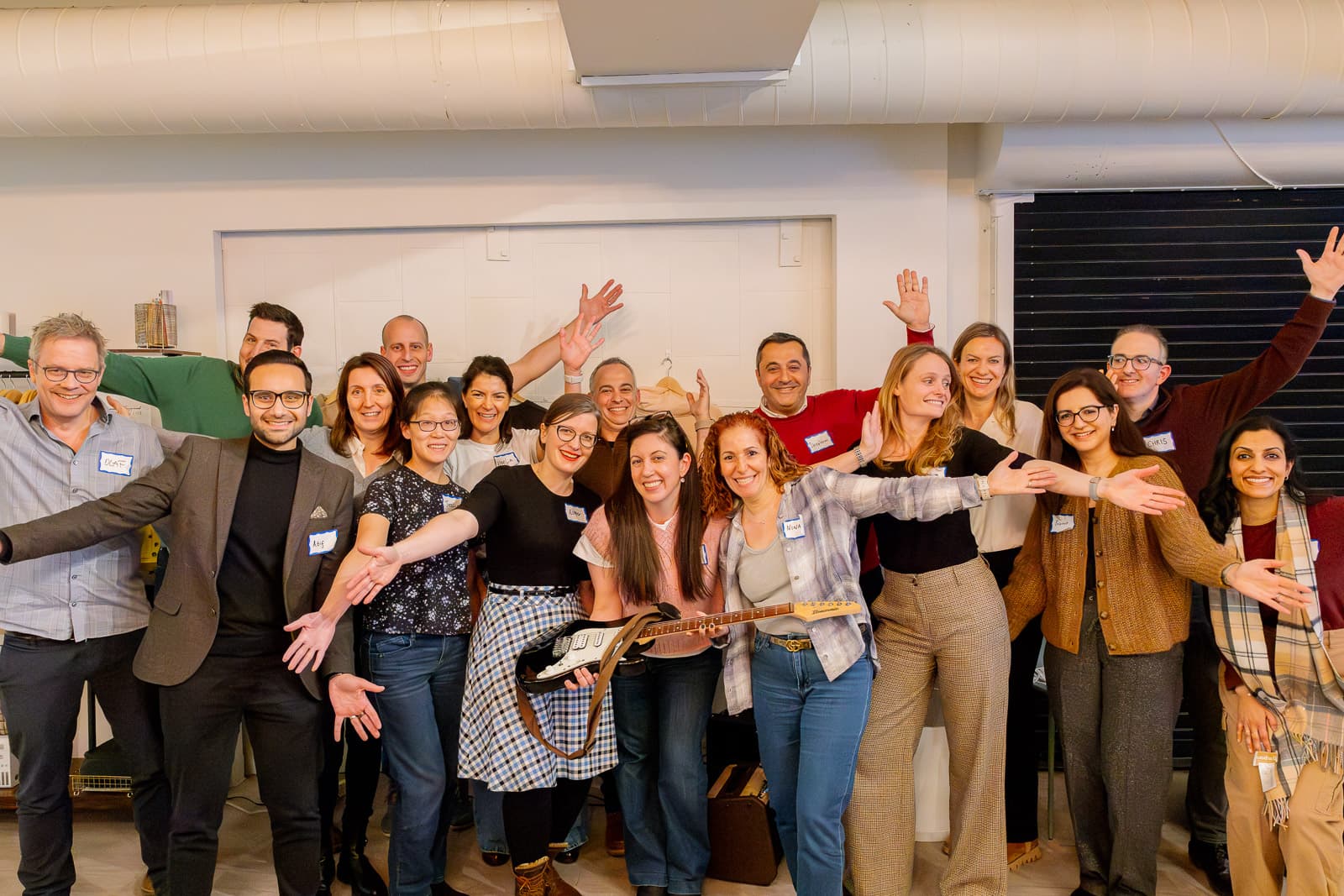
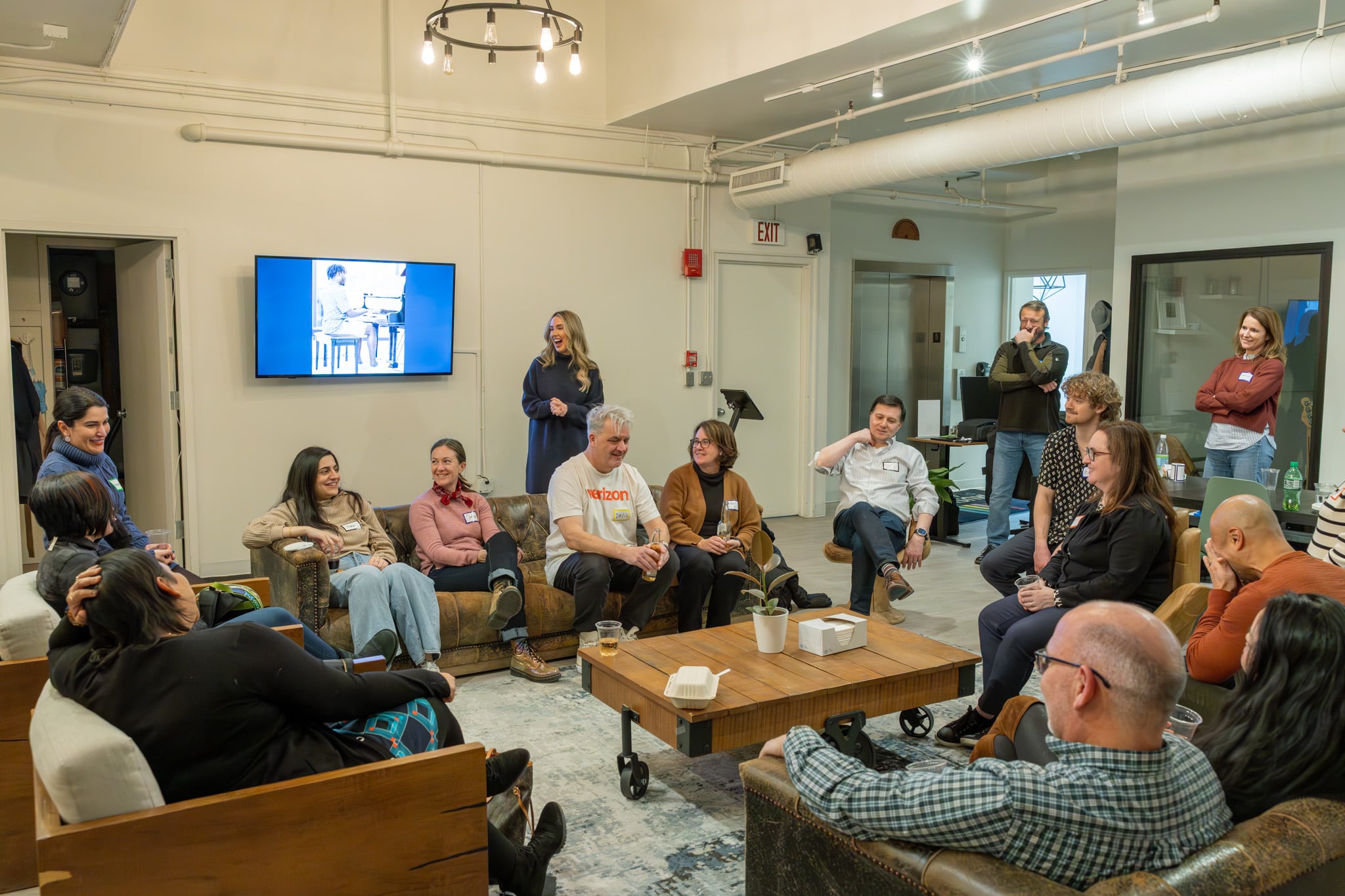
If you want a team building event that handles most of the logistics for you, Musicians Playground’s Battle of the Bands at 33 West Street in Downtown Crossing provides the venue, all instruments, working Boston musicians, and performance video, all in a single, turnkey package for groups of 10 to 40. The program runs 2-3 hours and requires zero musical experience. The free consultation process helps you customize the experience to your team’s goals. Pair it with a dinner reservation at a nearby restaurant, and you have a complete evening that your team will talk about for months.
Book your free consultation to start planning.