Guitar Lessons in Boston: The Complete Guide for Adults
Updated September 5, 2026
You’ve thought about it for years. Maybe decades. That guitar sitting in the corner of your closet, the one you bought with big dreams and never quite figured out. Or maybe you’ve never owned one, but every time you hear someone play, at a party, a coffee shop, a concert, something stirs.
If you’re looking for guitar lessons in Boston, you’re not alone. Adults across the city are finally giving themselves permission to learn the instrument they’ve always wanted to play. And here’s the thing: it’s never too late to start.
This guide covers everything you need to know about taking guitar lessons as an adult in Boston, from finding the right instructor to understanding what real progress looks like.
Why Adults Make Excellent Guitar Students
There’s a persistent myth that learning guitar is a young person’s game. That if you didn’t start at 12, you’ve missed your window. This is nonsense.
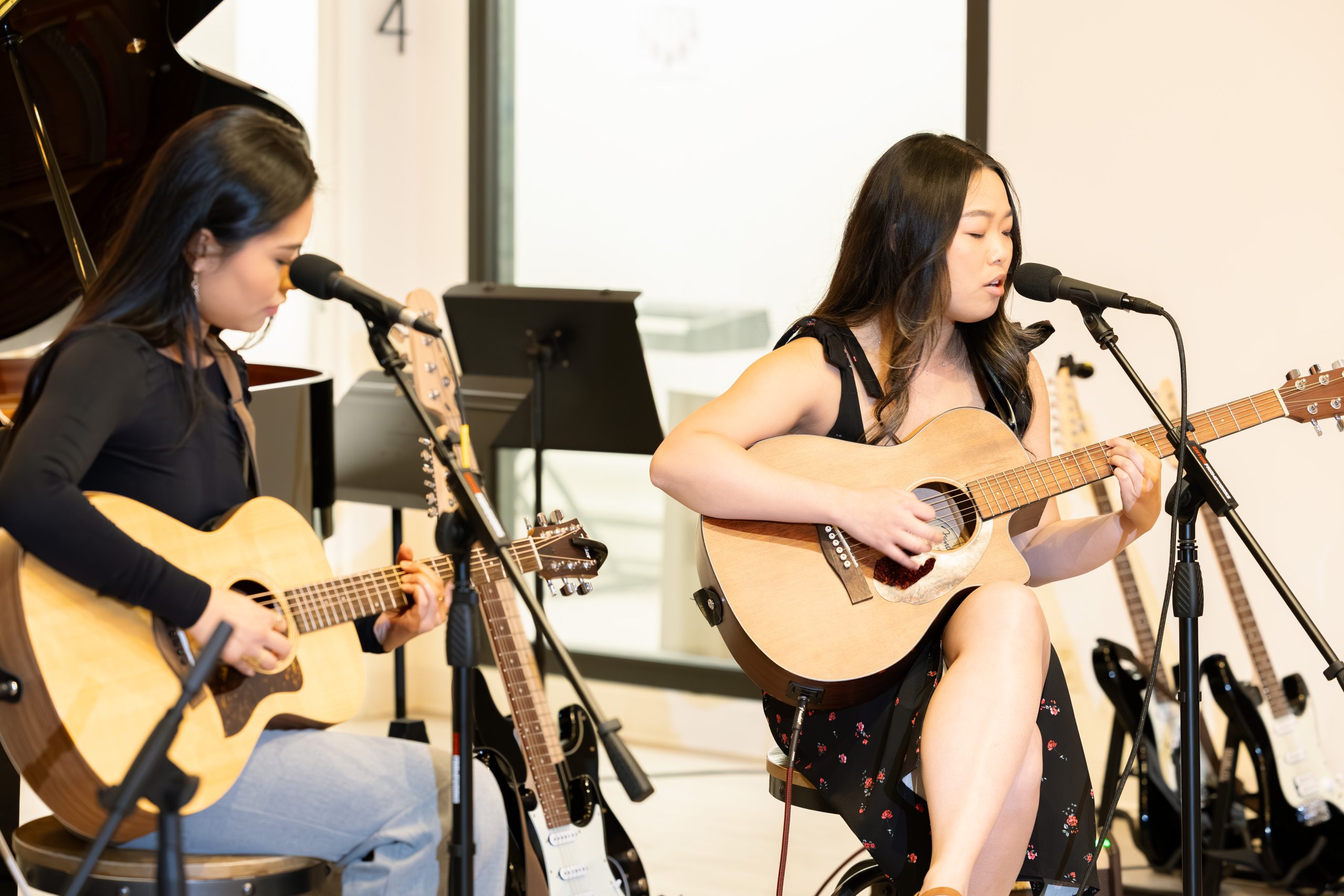
Adult learners bring serious advantages to the guitar:
- Clear motivation: You’re not here because your parents signed you up. You’re here because you genuinely want to play.
- Patience and discipline: You understand that meaningful skills take time. You’re not expecting overnight mastery.
- Musical context: You’ve spent decades listening to music. You know what you like, what moves you, what you want to sound like.
- Life experience: The emotional depth you bring to music, the heartbreaks, triumphs, and everything in between, translates directly into more expressive playing.
Yes, your fingers might need more time to build calluses. Yes, muscle memory takes practice. But adults who commit to learning guitar often progress faster than they expect, precisely because they bring focus and intentionality to every lesson.

What to Look for Guitar Lessons in Boston
Not all guitar instruction is the same. Before you commit to a teacher or program, consider these factors:
Teaching Approach for Adults
Adult learners have different needs than kids. You probably don’t want to spend six months on “Mary Had a Little Lamb.” You want to play actual music, songs you recognize and love.
The best guitar instructors for adults balance foundational technique with repertoire you care about. They understand that you need to see progress to stay motivated, and they structure lessons accordingly.
Ask potential instructors: How do you approach adult beginners? What songs will I learn in my first month? How do you balance technique and playing actual music?
Plenty of adults at Musicians Playground study more than one instrument. If keys call to you as well, our adult piano lessons in Boston run on the same fitness class model as the guitar program, in the same Downtown Crossing studio.
Acoustic vs. Electric Guitar
This is often the first question new students ask. The honest answer: start with whichever one excites you more.
Acoustic guitar is portable, requires no additional equipment, and works well for folk, country, singer-songwriter, and unplugged rock. The strings are slightly harder on beginner fingers, but many players love the simplicity.
Electric guitar has lighter strings (easier on fingers), requires an amplifier, and opens up rock, blues, jazz, and metal. The learning curve for basic chords is slightly gentler, though the gear investment is higher.
Many Boston guitar teachers work with both. The fundamentals transfer between them, so you’re not locked into your initial choice forever.
Lesson Format
You’ll find several options in Boston:
Private guitar lessons in Boston offer personalized attention. Your instructor focuses entirely on your goals, your challenges, your learning pace. This is ideal for adults who want efficient progress and customized curriculum.
Group classes provide community and camaraderie. Learning alongside other adult beginners normalizes the process. You see that everyone struggles with barre chords, not just you.
Band programs take it further, putting you in an actual band with other students. You learn guitar while also learning to play with others, follow arrangements, and perform live.
Location and Consistency
Here’s a truth most people don’t consider: the best guitar teacher in the world won’t help you if getting to lessons feels like a chore. Studios near T stops or in central locations like Downtown Crossing make it easier to show up consistently, and consistency is everything.
What Happens in a Guitar Lesson?
If you’ve never taken formal music lessons, here’s what to expect:
Warm-Up and Technique Check
Most lessons start with a brief warm-up, finger exercises, scales, or chord transitions. Your instructor will check your hand position, posture, and pick technique. These fundamentals matter more than beginners realize; good habits now prevent frustration later.
New Concepts and Skills
Each lesson introduces or reinforces specific skills: new chords, strumming patterns, fingerpicking techniques, music theory concepts, or fretboard navigation. A good instructor sequences these logically, building on what you already know.
Song Work
This is where it gets fun. You’ll apply techniques to actual songs, ideally ones you chose. Learning music you love keeps practice feeling like play rather than work.
Practice Assignment
Your instructor will give you specific things to work on before the next lesson. This might include exercises, songs, or listening assignments. What you do between lessons matters as much as the lessons themselves.
How Long Until I Can Actually Play?
The most common question, and the answer depends on what “play” means to you. Here’s a realistic timeline for adults who practice regularly:
After 1 month: You’ll know several basic open chords (G, C, D, E minor, A minor) and can switch between them, albeit slowly. You can strum along to simple songs, even if it’s rough around the edges.
After 3 months: Chord transitions feel more natural. You know multiple strumming patterns and can play 5-10 songs recognizably. You’re starting to sound like a guitar player.
After 6 months: Your chord vocabulary has expanded significantly. You’re tackling barre chords (the notorious F chord). You can learn new songs faster because you understand patterns. Friends are impressed when you play.
After 1 year: You’re genuinely competent. You can pick up a guitar at a gathering and play songs people know. You might be exploring more advanced techniques, fingerpicking, lead playing, or music theory. You’ve probably performed somewhere, even if just for friends.
The key variable is practice. Students who practice 20-30 minutes daily progress dramatically faster than those who only touch the guitar during their weekly lesson.
Guitar Lessons for Beginners: Overcoming the Learning Curve
Let’s be honest about the challenges. Guitar has a steeper initial learning curve than some instruments. The first few weeks involve:
- Sore fingertips: Until you build calluses, pressing strings hurts. This is universal and temporary, usually 2-3 weeks of regular practice.
- Frustrating chord changes: Your brain knows what to do; your fingers don’t cooperate yet. This gap closes with practice.
- Buzzing and muted strings: Getting clean sound from every string takes precision. It comes.
Here’s what separates people who learn guitar from those who quit: understanding that these early struggles are normal, expected, and temporary. Every guitarist you admire went through the same phase. A good instructor helps you push through it efficiently.
Private vs. Group Guitar Lessons: Which Is Right for You?
Both formats work. The right choice depends on your personality and goals:
Choose private lessons if:
- You want a curriculum tailored specifically to your goals
- You learn best with undivided attention
- You have specific songs or styles you want to focus on
- Your schedule requires flexibility
Choose group lessons if:
- You enjoy learning alongside others
- You want built-in accountability (classmates notice when you don’t practice)
- You’re interested in eventually playing with other musicians
- Budget is a primary concern
Many students do both, private lessons for technique and personalized attention, plus group classes or band programs for the social and performance aspects.
How Much Do Guitar Lessons in Boston Cost?
Pricing varies based on instructor experience, lesson length, and location. For the full picture across every instrument, see our guide to how much music lessons cost in Boston. In the Boston area, typical rates are:
- 30-minute private lessons: $40-75 per session
- 60-minute private lessons: $70-150 per session
- Group classes: $20-40 per session
- Multi-lesson packages: Often offer 10-15% savings
Consider the value, not just the cost. A great instructor helps you progress faster, avoid bad habits, and stay motivated. The cheapest option isn’t always the best investment.
Do I Need My Own Guitar for my guitar lesson in Boston?
Eventually, yes. But you don’t necessarily need one before your first lesson. Many studios have guitars available for lessons, and a good instructor can help you choose the right instrument for your goals and budget.
When you’re ready to buy:
Budget acoustics ($150-300): Yamaha, Fender, and Epiphone make solid beginner guitars that won’t fight you while you learn.
Budget electrics ($200-400): Squier (Fender’s budget line), Epiphone, and Ibanez offer quality instruments for beginners. You’ll also need an amp ($50-150 for a practice amp).
Used instruments: A well-maintained used guitar can offer excellent value. Your instructor can help you evaluate options.
Avoid the temptation to buy an expensive guitar before you know what you want. Your preferences will evolve as you play more.
What Makes Boston a Great Place to Learn Guitar?
Boston offers unique advantages for aspiring guitarists:
Rich musical heritage: From Berklee College of Music to legendary venues like the Paradise and Brighton Music Hall, Boston takes music seriously. You’re learning in a city that values musicianship.
Diverse music scene: Blues jams, folk open mics, rock clubs, jazz venues, whatever style you’re drawn to, Boston has a community for it.
Open mic opportunities: When you’re ready, dozens of venues across the city welcome new performers. There’s a clear path from “taking lessons” to “playing out.”
Strong instructor pool: World-class music schools attract talented musicians, many of whom teach. You have access to instructors with serious credentials.
Finding the Right Instructor for your guitar lessons in Boston
The relationship with your guitar teacher matters. Here’s how to find a good match:
- Look for adult-focused programs: Some studios specialize in teaching adults. These instructors understand your unique needs and constraints.
- Read reviews from similar students: What do other adult beginners say about their experience?
- Take a trial lesson: Most quality studios offer them. Use this to assess teaching style and personal chemistry.
- Ask about their approach: Do they emphasize songs you want to play? Do they explain the “why” behind techniques?
- Trust your instincts: You should leave a trial lesson feeling encouraged and excited, not intimidated or confused.
Ready to Start Playing? Try guitar lessons in Boston
At Musicians Playground in Downtown Crossing, we specialize in teaching guitar to Boston adults. Our instructors combine professional playing experience with a genuine passion for helping beginners succeed.
We teach acoustic and electric guitar across all styles, rock, blues, folk, pop, jazz, and more. Whether you’ve never held a guitar or you’re picking it back up after years away, we meet you where you are.
Explore our adult guitar lessons in boston or contact us to schedule a trial lesson.
Frequently Asked Questions About Guitar Lessons in Boston
Am I too old to learn guitar?
No. Adults in their 30s, 40s, 50s, 60s, and beyond learn guitar successfully every day. Your age brings advantages, patience, discipline, and musical taste. That serve you well.
Should I learn acoustic or electric guitar first?
Learn whichever excites you more. The fundamentals transfer between them. If you’re drawn to rock and blues, start electric. If you love folk and singer-songwriter music, start acoustic. Guitar lessons in Boston can support your goals no matter where they take you.
How often should I take guitar lessons in Boston?
Weekly lessons work best for most adult students. This provides consistent feedback and accountability while giving you time to practice between sessions.
How much should I practice?
Aim for 20-30 minutes daily. Consistent short sessions beat occasional long ones. Even 15 minutes a day yields real progress over time.
Do I need to learn to read music?
Not necessarily. Most guitar music uses tablature (tabs) or chord charts, which are much easier to learn. Your instructor will teach you to read whatever notation style fits your goals.
What if I tried learning before guitar lessons in Boston and quit?
Many of our students are in exactly this situation. The difference now might be finding the right instructor, the right approach, or simply being at a point in life where you can commit. It’s worth trying again.