Singing Lessons in Boston: The Complete Guide for Adults
Updated September 5, 2026
There’s a moment every aspiring singer knows. That split second before you open your mouth to sing in front of someone else. Your heart races. Your palms sweat. And then you wonder: what if I actually got good at this?
If you’re searching for singing lessons in Boston, you’ve probably had that moment. Maybe it was at karaoke, in your car, or watching someone effortlessly belt out a song you’ve loved for years. Whatever sparked it, you’re here because you want to transform that “what if” into reality.
Here’s what you need to know about vocal lessons in Boston, from finding the right instructor to understanding what real progress looks like.
Why Boston Adults Are Signing Up for Singing Lessons in Boston in Record Numbers
Something shifted in the past few years. Adults who spent decades telling themselves “I can’t sing” are finally giving themselves permission to try. And Boston, with its rich musical heritage from Berklee to the Boston Symphony Orchestra, has become a hub for adult vocal education.
The reasons people seek out singing lessons vary wildly:
- Career changers preparing for public speaking roles who want more vocal control
- Parents who want to sing lullabies and eventually duet with their kids
- Empty nesters finally pursuing the creative passion they set aside for decades
- Professionals preparing for a wedding toast, company event, or open mic night
- Lifelong “non-singers” ready to challenge that limiting belief
What unites them? The realization that vocal training isn’t just for future pop stars, it’s for anyone who wants to use their voice with more confidence, control, and joy.
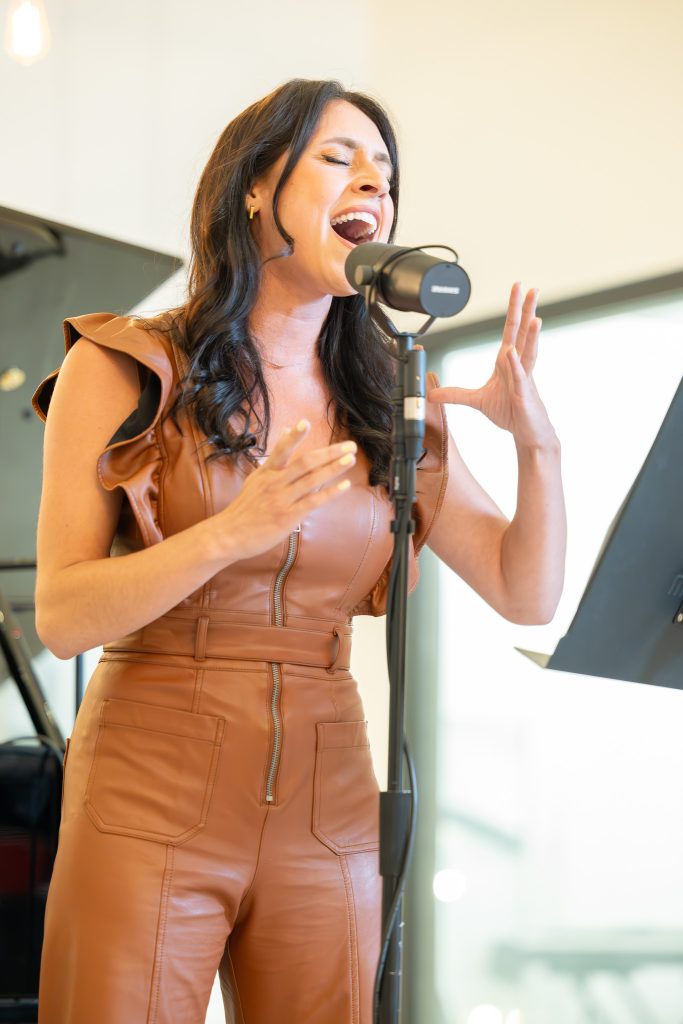
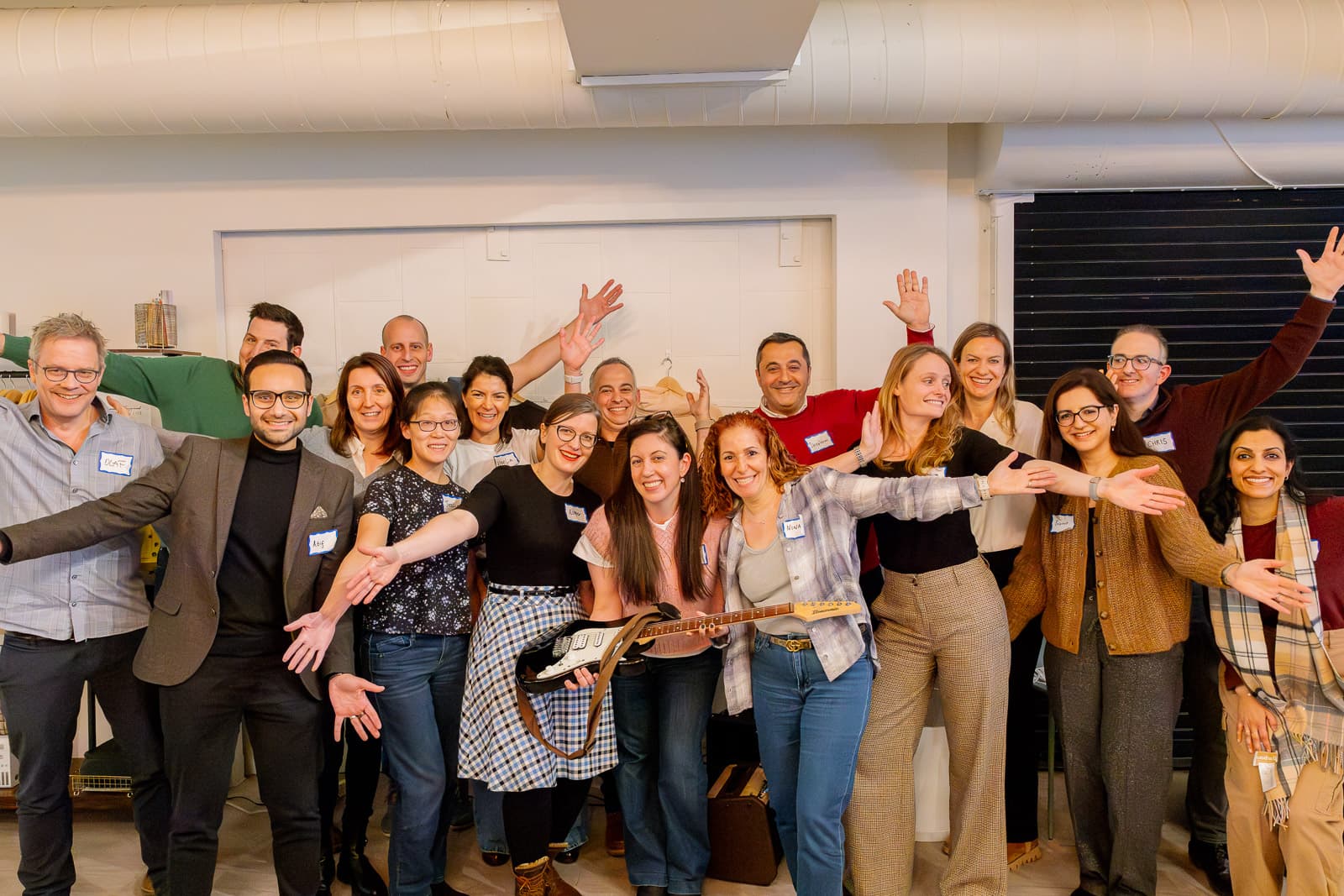
If you already know you want to start, our adult singing lessons in Boston are taught by working Boston vocalists at 33 West Street in Downtown Crossing, reachable on every T line.
What to Look for Singing Lessons in Boston
Not all vocal instruction is created equal. Before you book your first lesson, consider these factors:
Instructor Background and Teaching Style
A great performer doesn’t automatically make a great teacher. Look for instructors who can explain why techniques work, not just demonstrate them. The best vocal coaches in Boston combine performance experience with genuine teaching ability. They meet you where you are and build from there.
Ask potential instructors: How do you approach working with adult beginners? What styles do you specialize in? Can you help me work toward a specific goal?
Lesson Format Options
Singing Lessons in Boston offers several formats for singing lessons:
Private lessons provide one-on-one attention tailored to your voice, goals, and learning pace. This is ideal if you’re working on specific technical challenges or preparing for a performance.
Group classes offer a supportive community environment where you learn alongside other adult singers. Many students find that hearing others work through similar challenges normalizes the learning process.
Hybrid programs combine private instruction with group performance opportunities, giving you personalized technique work plus real-world experience singing with and for others.
Location and Accessibility
Convenience matters more than most people admit when starting a new practice. A studio in Downtown Crossing or near a T stop means you’re more likely to show up consistently, and consistency is everything in vocal development.
What Actually Happens in Singing Lessons in Boston?
If you’ve never taken formal vocal lessons, the process might seem mysterious. Here’s what a typical session includes:
Warm-Up and Breath Work
Every voice lesson begins with warming up your instrument. Unlike guitarists who can tune their strings, singers have to prepare their entire body. You’ll learn breathing exercises that support your sound and gentle vocal exercises that wake up your range without strain.
Technique Development
This is where real transformation happens. Your instructor will help you understand how your voice actually works, from breath support and resonance to vowel shaping and register transitions. Concepts that seemed like magic (“How do they hit that note?”) become learnable skills.
Repertoire Work
You’ll apply techniques to actual songs you want to sing. A skilled vocal coach helps you choose material that challenges you appropriately, pushing your growth without setting you up for frustration.
Performance Coaching
Singing isn’t just about hitting notes, it’s about communication. Good vocal lessons address stage presence, microphone technique, and how to connect emotionally with lyrics and audience.
How Long Does It Take to See Results?
This is the question everyone asks, and the honest answer is: it depends. But here’s what most adult students experience:
After 4-6 weeks: You’ll understand your voice better. You’ll notice what you’re doing when things go right (and wrong). Basic breath support becomes more natural.
After 3-4 months: Friends and family notice the difference. Your range expands. Songs that felt impossible become achievable. You start developing your own vocal identity.
After 6-12 months: Consistent practice yields significant transformation. You’re not just “learning to sing”, you’re becoming a singer. Many students perform publicly for the first time in this window.
The key variable? Practice between lessons. Students who spend even 15-20 minutes daily working on what they learned progress dramatically faster than those who only sing during their weekly lesson.
Singing Lessons for Beginners: Getting Over the Fear
Let’s address the elephant in the room: you might be terrified to sing in front of anyone, let alone a trained instructor.
This is completely normal. And good vocal coaches know it.
Adult beginners often carry years of baggage, a choir director who told them to mouth the words, a sibling who mocked their singing, or a general cultural message that some people “have it” and others don’t.
The truth? Almost everyone can learn to sing. Just like almost everyone can learn to cook, draw, or play chess. Natural aptitude varies, but skill can be developed. The voice is an instrument, and like any instrument, it responds to training.
The first few lessons focus on building comfort and trust. A quality instructor creates a judgment-free space where you can experiment, make mistakes, and gradually discover what your voice can do.
What Makes Boston Unique for Vocal Training?
Boston’s music scene offers advantages you won’t find everywhere:
World-class institutions: Berklee College of Music, New England Conservatory, and Boston Conservatory create a community where serious music education is the norm, not the exception. This elevates teaching standards across the city.
Diverse performance opportunities: From open mics in Cambridge to jazz clubs in the South End, Boston offers stages for every style and experience level. Students can find real-world performance opportunities as they develop.
Year-round cultural events: Boston’s festivals, community events, and vibrant arts scene mean there’s always something happening, inspiration is never far away.
Strong adult learning culture: Boston’s universities and professional population create a city where adult education is normalized. Taking lessons as a grown-up doesn’t raise eyebrows here, it’s just what engaged, curious people do.
Our adult group class schedule shows what is running each week. Groups are 3 to 6 people, semi private and social, and you drop into the way you would drop into a spin class.
Private vs. Group Singing Lessons: Which Is Right for You?
Both formats have genuine advantages:
Choose private lessons if:
- You’re working through specific technical challenges
- You prefer one-on-one attention
- Your schedule requires maximum flexibility
- You’re preparing for a specific performance or audition
Choose group lessons if:
- You learn well from observing others
- You want built-in community and accountability
- You’re working on performance anxiety (more practice singing in front of people!)
- Budget is a primary consideration
Many students start with private lessons to build foundational technique, then add group classes or band programs to develop performance skills.
How Much Do Singing Lessons in Boston Cost?
Rates vary based on instructor experience, lesson length, and studio location. For the full picture across every instrument, see our guide to how much music lessons cost in Boston. In the Boston area, expect:
- 30-minute private lessons: $40-75 per session
- 60-minute private lessons: $70-150 per session
- Group classes: $20-40 per session (varies by class size)
- Package deals: Many studios offer discounts when you purchase multiple lessons upfront
Consider lessons an investment in yourself. Most students find that weekly Singing Lessons in Boston provide the right balance of progress and affordability.
Finding the Right Fit
The relationship between singer and vocal coach is personal. Chemistry matters. Here’s how to find your match:
- Research studios in your area and read reviews from other adult students
- Ask about trial lessons: most quality studios offer them
- Come prepared with questions about the instructor’s approach and experience
- Trust your gut: if you don’t feel comfortable and encouraged after a trial, keep looking
The right instructor makes you feel challenged but supported, honest but kind. They help you see your potential while meeting you exactly where you are today.
Ready to Start Your Vocal Journey?
At Musicians Playground in Downtown Crossing, we specialize in helping Boston adults discover their singing voice. Our instructors combine professional performance backgrounds with a genuine passion for teaching, and a deep understanding that adult learners have unique needs and goals.
Whether you’ve never sung a note outside your shower or you’re looking to take existing skills to the next level, we’d love to help you get there.
Learn more about our adult singing lessons and schedule a trial lesson
Frequently Asked Questions About Singing Lessons in Boston
Can adults really learn to sing, or is it too late?
It’s absolutely not too late. Adult beginners bring advantages like discipline, self-awareness, and clear motivation. Many of our most successful students started in their 30s, 40s, 50s, and beyond.
I have no musical background. Will I be completely lost?
Not at all. Our instructors are experienced with true beginners. You don’t need to read music or have any prior training to start voice lessons.
How often should I take singing lessons?
Most students benefit from weekly Singing Lessons in Boston, which provide consistent progress without overwhelming your schedule. Some students start with bi-weekly lessons and increase frequency as they advance.
What style of singing will I learn?
That depends on your goals! Our instructors work across genres, pop, rock, jazz, musical theater, R&B, folk, and more. Your lessons will focus on the styles you actually want to sing.
Do I need to practice between lessons?
Yes. Practice is where real improvement happens. But don’t worry: even 15-20 minutes of daily practice makes a significant difference. Your instructor will give you specific exercises and songs to work on at home in-between your Singing Lessons in Boston.
Ready to sing? The $100 Intro Week is a private lesson plus seven days of classes and studio access. The $100 applies toward a membership or a lesson pack if you carry on.