The Complete Guide to Adult Music Production Classes in Boston (2026)
Updated September 5, 2026
You have the idea. It has been in your voice memos for two years, eleven seconds long, hummed into a phone in a parked car.
You downloaded a DAW once. You opened it, looked at the timeline and the mixer and the forty things you did not recognize, and closed it again.
That is the most common story we hear, and it is not a talent problem, it is a starting-point problem. This guide is for the complete beginner and the returner alike, and it covers music production classes in Boston: what the software does, what to buy and what to ignore, and how long each stage really takes.
What’s in This Guide
- Why Learn Production as an Adult?
- The Boston Advantage
- What to Look for in Music Production Classes
- Setting Realistic Goals
- Directions You Can Explore
- What to Expect in Your First Sessions
- Practice Tips for Busy Adults
- Frequently Asked Questions
- Ready to Get Started?
Why Learn Production as an Adult?
First, the question underneath the question.
No, you have not missed the window. Production is the most forgiving musical discipline to start late in, because the computer removes the physical barrier entirely. You are not competing against twenty years of someone else’s practice. You are learning a craft of decisions, and adults are good at decisions.
What you do bring is a listening history. Thirty years of knowing exactly what a snare should sound like is not nothing. It is, in fact, the hard part, and it takes a twenty-year-old a decade to acquire.
Total Creative Ownership
Production is the only path where you can go from an idea to a finished thing without needing anyone else to show up. No band to book, no studio to hire, no waiting on a drummer. That independence is the reason most adults stay with it.
The Learning Is the Reward
Producing pulls together listening, spatial reasoning, arrangement and a fair amount of problem solving, and it does it while you are enjoying yourself. You are learning a genuinely deep technical skill without it feeling like study, because the feedback is a sound getting better in your headphones.
It Fits in a Laptop
This is the practical case. A guitar needs a room. A drum kit needs a very tolerant building. Production needs a laptop and headphones, which means it survives travel, a small apartment and a sleeping household. A hobby that fits in a bag is a hobby you keep.
Finishing Something
Adults are surrounded by work that never concludes. A finished track is three minutes long, has an end, and exists. The satisfaction of that is hard to overstate, and it is why we push students toward finishing early and often rather than perfecting one idea forever.
The Boston Advantage
A Deep Local Talent Pool
Boston has an unusual concentration of conservatories and music schools for a city its size, and a lot of those musicians stay after they finish. The practical effect is that the person teaching you production here is an active producer rather than a generalist covering production as a sideline.
Ask any program you are considering who is teaching and what they have released. The answer is informative.
A Scene That Gives You Something to Produce For
Small rooms, active neighborhood scenes, and no shortage of singers, rappers and bands who need someone to record them. If you want to produce other people rather than only yourself, this is a good city for finding them.
The Commute Decides Everything
The honest reason adult hobbies fail is logistics. A studio forty minutes past your house does not get visited in February.
Musicians Playground is at 33 West Street in Downtown Crossing, steps from the Red and Orange Lines at Downtown Crossing station, the Green Line at Park Street, and the Blue Line at State. Every T line lands within a short walk. Members come from the Financial District, Beacon Hill, the South End, the North End, Seaport, Back Bay and Charlestown, and commute in from Cambridge, Somerville and Brookline.
Downtown, on the way home, is the whole argument.
What to Look for in Music Production Classes in Boston
Instructors Who Actually Release Music
Production changes fast. Someone who has finished a record in the last two years teaches differently from someone working off a curriculum written in 2014.
Every instructor at Musicians Playground teaches their primary discipline only. Twenty teachers, no generalists. Our production instructors work fluently across Ableton Live, Logic Pro, FL Studio, Reaper and Pro Tools.
A Program That Teaches You, Not the Software
This is the single most important filter. Most beginner production content is a feature tour: here is every button, in order. It produces students who know what a send is and have still never finished a song.
Good music production lessons in Boston start from what you want to make and build the technical skills around that. Ours do. Which DAW you learn follows from your goals, not from fashion, and if you already own one we teach on that.
Somewhere to Work That Is Not Your Kitchen Table
Ask whether there is studio time you can use. Production improves fastest with hours, and hours are hard to find at home between other obligations.
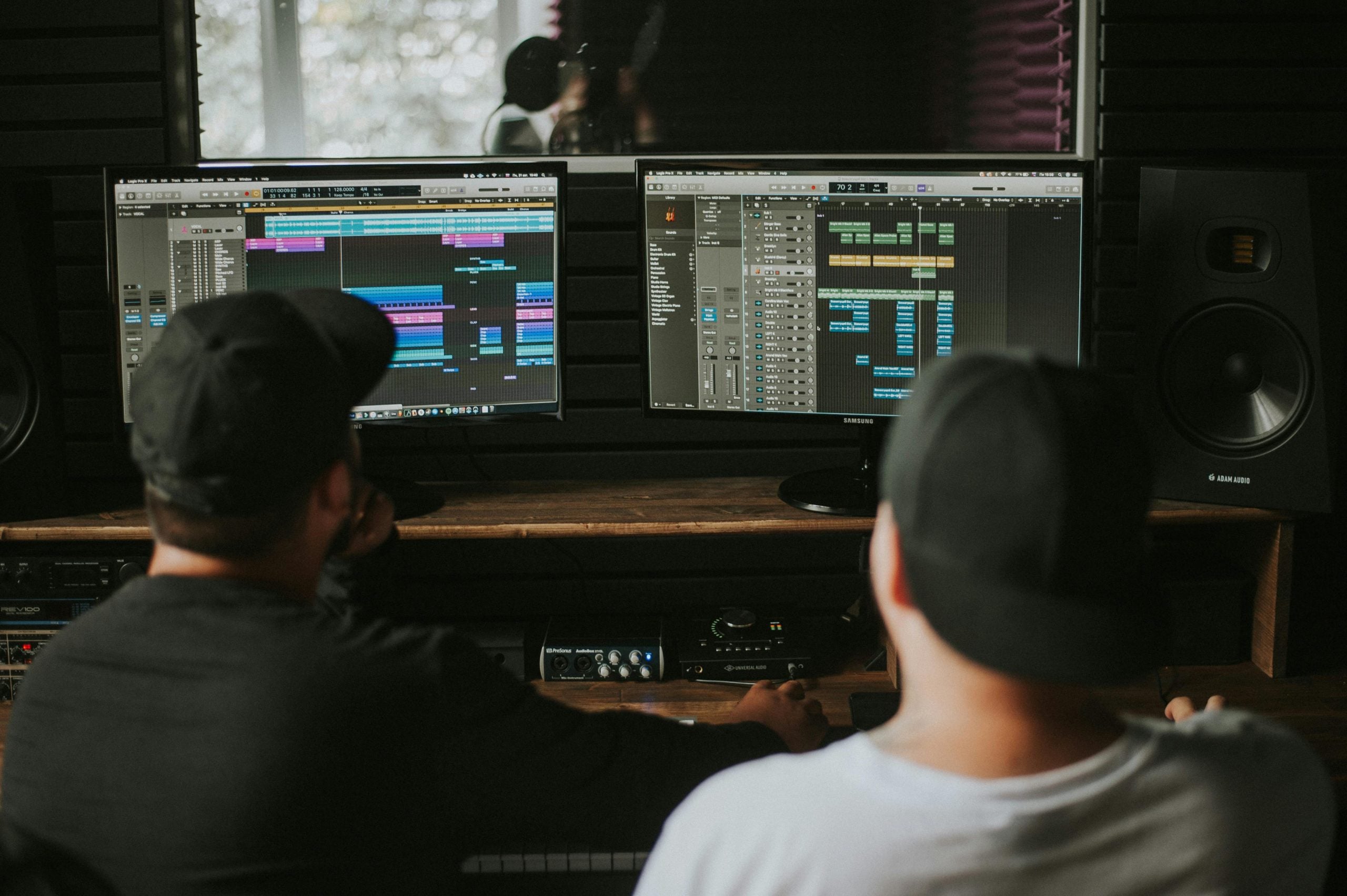
We have production workstations at the studio and open practice time to use them, which means you can start before buying anything and keep working between lessons.
Honest Advice About Gear
A good program tells you what not to buy. The order that actually matters is headphones, then an audio interface, then a controller, and most beginners do it backwards and expensively. If a program’s first answer is a shopping list, be careful.
Community and Deadlines
Producing alone is how projects die at 80 percent. Look for cohorts, showcases and other people at your level. We run more than 175 group classes a month, plus monthly open mics, happy hours and community events for 200+ members.
Setting Realistic Goals
Assuming roughly one lesson a week and a few short sessions in between.
First 3 Months
You finish a first track, and it is not good, and that is the point.
You will learn your DAW’s core workflow: recording, MIDI, arranging a timeline, and basic mixing. The goal for month three is one complete piece of music with a beginning and an end. It will be rough. Finishing it teaches you more than six polished loops.
6 Months to 1 Year
You can arrange a full song and mix it to something people will listen to on purpose.
Arrangement clicks here: how to build a second verse that is not a copy of the first, how to make a chorus land, where to add and remove. Mixing becomes deliberate rather than hopeful, and your tracks stop sounding thin next to commercial music.
1 to 2 Years
You have a sound, and you can hear what a track needs.
The technical work fades into the background and taste takes over. You will be able to listen to a rough mix and know what is wrong with it, which is the skill that separates producers from people who own a DAW. This is also roughly when producing other people becomes realistic.
Directions You Can Explore
Electronic and Beat Making
The most direct path. Everything happens inside the computer, nothing needs to be recorded, and you can go from nothing to a finished idea in an evening. If your goal is momentum, start here.
Recording Songwriters
If you write, production is how your songs stop being demos. Recording vocals and guitar well is a specific skill, and it is the highest-value one for anybody who already has material. This pairs naturally with songwriting lessons for adults; many students here do both, and the songs get better because the production forces decisions.
Hip-Hop
Sample-based work, drum programming and vocal production, which is a deep craft on its own. Rewarding, and it will teach you more about arrangement than any tutorial series.
Film, Game and Media Scoring
Writing to picture is a different discipline with its own constraints, and it is a real freelance market. It demands stronger arrangement and orchestration instincts, so most people arrive here after a year or two of general production.
Where Should You Start?
Start with whatever you most want to hear. If you have songs already, learn to record them. If you have ideas but no instrument, start with beats, because the feedback is fastest and finishing is easiest.
If DJing is also on your list, the two overlap more than people expect, and a lot of producers here started behind a controller. Our complete guide to adult DJ lessons in Boston covers that side.
What to Expect in Your First Sessions
The Conversation
Your first session starts with a question, not a tutorial: what do you want to make? Bring two or three reference tracks that sound like where you are headed. That is more useful than any description, and it shapes the whole first month.
If you already have a DAW installed, say which one. If you do not, that decision gets made here based on the music you want to make.
Fundamentals First
Then the smallest possible working loop: get sound in, get sound out, arrange something, export it. Beginners are usually surprised how few controls they need for a first finished piece. Most of the interface can wait, and knowing that is what stops people closing the laptop again.
The Musicians Playground Approach
Two routes, for two kinds of people.
Private lessons are one to one, open-ended and paced to your own project. If you have specific material, an unpredictable schedule, or you tried this alone and stalled, start with adult music production lessons. You also get group classes and open practice time on the studio workstations.
The 8-week cohort is the structured route. Music Production for Songwriters runs as an 8-week course with a set curriculum, covering DAW fundamentals, recording technique and beat making, aimed at writers who want to produce their own material. It costs $399 for active members and $599 for everyone else. Choose it if you want a syllabus, classmates and a deadline.
Many students do the course first and continue with lessons afterwards, which is a good order if you are undecided.
You do not need to play an instrument for either. Plenty of producers here work entirely with MIDI and samples, though students who play a little piano tend to move faster, and group piano classes are included with a membership if you want that foundation.
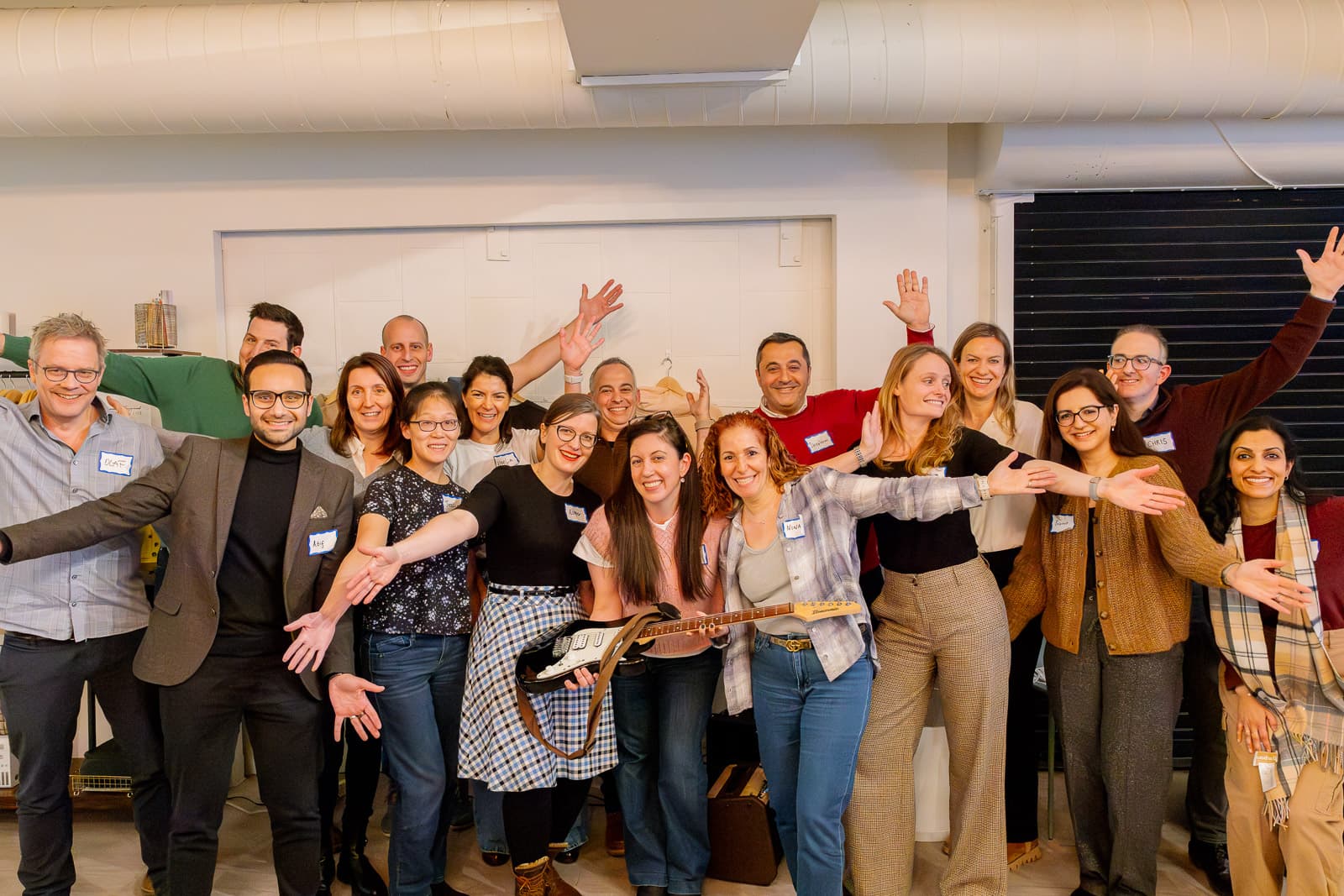
The studio is adults only. Every lesson, class and practice session is built for adult learners, and your classmates are professionals, retirees and returners.
Practice Tips for Busy Adults
Use a Timer, and Keep It Short
Twenty focused minutes beats three unfocused hours, and it is far more likely to happen on a Tuesday. Constraint sessions work unreasonably well: one sound, one loop, one decision, then stop.
Finish Ugly
The most valuable habit in production. Export the rough version. Do not fix it. A finished bad track teaches you the whole process, including the parts you keep avoiding, while a perfect eight-bar loop teaches you almost nothing.
Aim for volume of finished things in your first year, not quality.
Work Where the Gear Is
If a home setup is the blocker, use the studio’s workstations during open practice time. It also removes the excuse, which is half of what practice time is for.
Listen Differently
Pick one commercial track a week and listen to it once for the drums only, once for the bass, once for the space around the vocal. This costs ten minutes and does more for your mixing than a tutorial.
Build the Habit
Two fixed slots a week, in the calendar, short enough that you keep them. Consistency beats intensity every time.
Frequently Asked Questions
Do I need my own laptop, DAW or gear?
Not to start. We have production workstations at the studio plus open practice time to use them. A laptop with a DAW makes home practice possible, and your instructor will tell you what is genuinely worth buying and in what order: headphones, an interface, then a controller.
Can I learn to produce without knowing music theory?
Yes. No prior theory is required and plenty of producers here work entirely by ear with MIDI and samples. The essential concepts get covered as part of the workflow, when you need them rather than in advance.
How long until I can finish a track?
Your first complete one inside three months. Something you would happily share usually lands between six months and a year. The variable is not talent, it is how often you finish things rather than restarting them.
Private lessons or the 8-week course?
Lessons if you have your own material and an irregular schedule; the course if you want structure and a deadline. Private lessons are open-ended and paced to your project. The cohort has a set curriculum and classmates. Doing the course first and continuing with lessons is a common and effective order.
How often should I take lessons?
Weekly suits most people. It keeps momentum without outrunning your practice time. Every other week works if you are putting in consistent hours between sessions.
Am I too old to start?
No. Production has no physical barrier, and the slowest skill to develop is critical listening, which you have been building for as long as you have been listening to music. We teach adults only, so you will not be the oldest person in the room.
Ready to Get Started?
Why Musicians Playground?
- Adults only. Every lesson, class and event is designed for adult learners.
- Working producers teaching. Twenty instructors, each teaching their primary discipline only, fluent across Ableton Live, Logic Pro, FL Studio, Reaper and Pro Tools.
- Professional facilities. Production workstations at the studio, plus open practice time so you can start before buying anything.
- A real community. 200+ members, more than 175 group classes a month, monthly open mics and regular community events.
- Flexible memberships. $170 to $480 per month depending on how many private lessons you want, with up to 8 group classes included at every tier. See how much music lessons cost in Boston for the full breakdown.
How to Start
The $100 Intro Week is the best first step. It includes a one hour private lesson, seven days of unlimited group classes, and open practice time. If you continue, the $100 applies toward a membership or a lesson pack, so nothing is wasted deciding.
Prefer to talk first? Book a free consultation and your first lesson and we will help you choose between lessons and the cohort.
We are an adult music school in Boston at 33 West Street, Downtown Crossing, Boston, MA 02111, a short walk from every T line. Call (617) 356-8206 if that is easier.
Start Your Production Journey
That voice memo has waited long enough. Book your music production classes in Boston and turn it into something with an ending.
Nobody’s first track is good.
Everybody’s tenth one is better.