Complete Guide to Adult Drum Lessons in Boston (2026)
Updated September 5, 2026
You’re sitting in traffic on the Mass Pike, and that song comes on, the one with the drum fill that makes you air-drum on the steering wheel every single time.
You’ve thought about it for years. What if I actually learned to play?
Here’s the thing: thousands of adults across Boston are asking themselves the same question. And many of them are finally doing something about it.
Whether you’re a complete beginner who’s never held a drumstick or someone who played a bit in high school and wants to pick it back up, this guide covers everything you need to know about starting your drumming journey with adult drum lessons in Boston.
What’s in This Guide
- Why Learn Drums as an Adult?
- The Boston Advantage: Why This City Is Special for Drummers
- What to Look for in an Adult Drum Program
- Setting Realistic Goals (What You’ll Actually Learn)
- Drumming Styles You Can Explore
- What to Expect in Your First Lessons
- Practice Tips for Busy Adults
- Frequently Asked Questions
- How to Get Started
Why Learn Drums as an Adult?
Let’s address the elephant in the room: you’re not too old.
Modern neuroscience has thoroughly debunked the myth that musical learning is only for kids. Yes, children have certain advantages, but adults bring something equally powerful: discipline, motivation, life experience, and the ability to practice deliberately.
And when it comes to drums specifically? The benefits go far beyond just making cool sounds.
The Physical Benefits (Yes, Drumming Is a Workout)
Here’s something that surprises most people: drumming burns 400-600 calories per hour.
That’s not marketing hype. Research from the Clem Burke Drumming Project, a collaboration between sports scientists and the legendary Blondie drummer, found that playing drums is comparable to many traditional cardio exercises.
Think about it: you’re coordinating all four limbs, maintaining posture, and often breaking a sweat. It’s basically a full-body workout disguised as fun.
Physical benefits of regular drumming include:
- Improved cardiovascular health
- Enhanced coordination between hands and feet
- Better core strength and posture
- Increased fine motor skills
- The kind of arm workout you’d pay for at a gym
The Brain Benefits (This Is Where It Gets Interesting)
Playing drums engages virtually every area of your brain simultaneously.
Visual cortex. Auditory cortex. Motor cortex. All firing together, building new neural pathways with every practice session.
A 2024 study published in Imaging Neuroscience found something remarkable: older adults who learned to play music showed brain patterns more similar to younger adults than their non-musical peers. The researchers suggested that musical training might actually help counteract age-related cognitive decline.
Translation? Learning drums isn’t just possible as an adult. It might be actively good for your brain health.
The Stress Relief Factor
There’s a reason drumming has been used in therapeutic settings around the world.
Research from the University of Essex shows that drumming activates the body’s relaxation response, lowers blood pressure, and reduces stress hormones. The rhythmic, repetitive nature of playing induces something close to a meditative state.
One participant in a mental health study described it perfectly: “All that horribleness was drained out of you… I always left on a high.”
After a long day of emails, meetings, and deadlines? There’s something deeply satisfying about sitting behind a kit and just playing.
The Social Connection
Unlike some hobbies you do alone, drumming naturally leads to collaboration.
Drummers are the rhythmic foundation of every band. Once you develop even basic skills, you become someone other musicians want to play with. Jam sessions, open mics, bands. These opportunities open up faster than most beginners expect.
Many adult drummers find that their music community becomes an important part of their social life, separate from work and family obligations.
The Boston Advantage: Why This City Is Special for Drummers
You could learn drums anywhere. But learning in Boston? That’s a different experience entirely.
The Berklee Effect
Boston is home to Berklee College of Music: the world’s largest independent music college and arguably the most influential contemporary music school on the planet.
What does that mean for you as an adult hobbyist?
It means Greater Boston has an unusually high concentration of world-class musicians. Many Berklee graduates and faculty members teach private lessons to supplement their performing careers. When you take drum lessons in Boston, you’re often learning from someone who has:
- Toured professionally with major artists
- Recorded albums you might actually own
- Studied with legendary drummers
- Expertise across rock, jazz, funk, Latin, and world music
This is conservatory-quality instruction available to adult hobbyists, something that simply doesn’t exist in most cities.
A Living Music Scene
Beyond formal education, Boston’s live music scene provides constant inspiration.
From the House of Blues to intimate jazz clubs in Cambridge, you can watch world-class drummers perform almost any night of the week. Once you start learning, you’ll hear things you never noticed before, and understand what separates good drummers from great ones.
The city also has active drum circles and percussion communities. Organizations like DrumConnection in Arlington have built welcoming spaces where beginners can experience group drumming before committing to formal lessons.
What to Look for in an Adult Drum Lessons
Not all drum instruction is created equal. And adult learners have specific needs that differ from kids’ programs.
Here’s what actually matters:
Instructor Quality (The #1 Factor)
Your instructor makes or breaks your experience. Look for:
Formal musical education. Instructors with degrees from Berklee, NEC, or similar institutions have demonstrated both ability and theoretical knowledge.
Active performing experience. Teachers who still gig bring current, practical insights you won’t get from someone who stopped playing years ago.
Experience teaching adults. This matters more than you’d think. Teaching a 35-year-old professional is completely different from teaching a 10-year-old. You want someone who understands adult learning styles.
Stylistic range. Unless you’re 100% certain you only want to learn jazz (or only rock, etc.), find an instructor comfortable across multiple genres.
Facilities and Equipment
Drums are loud. Drums are big. Most adults don’t have space for a kit at home, and even if they did, neighbors might have opinions about practice sessions.
Look for programs that offer:
- Professional-grade equipment: You should learn on quality instruments that respond like drums do in real playing situations
- Soundproofed spaces: So you can play at full volume without worrying about disturbing anyone
- Practice room access: Invaluable if you can’t practice at home
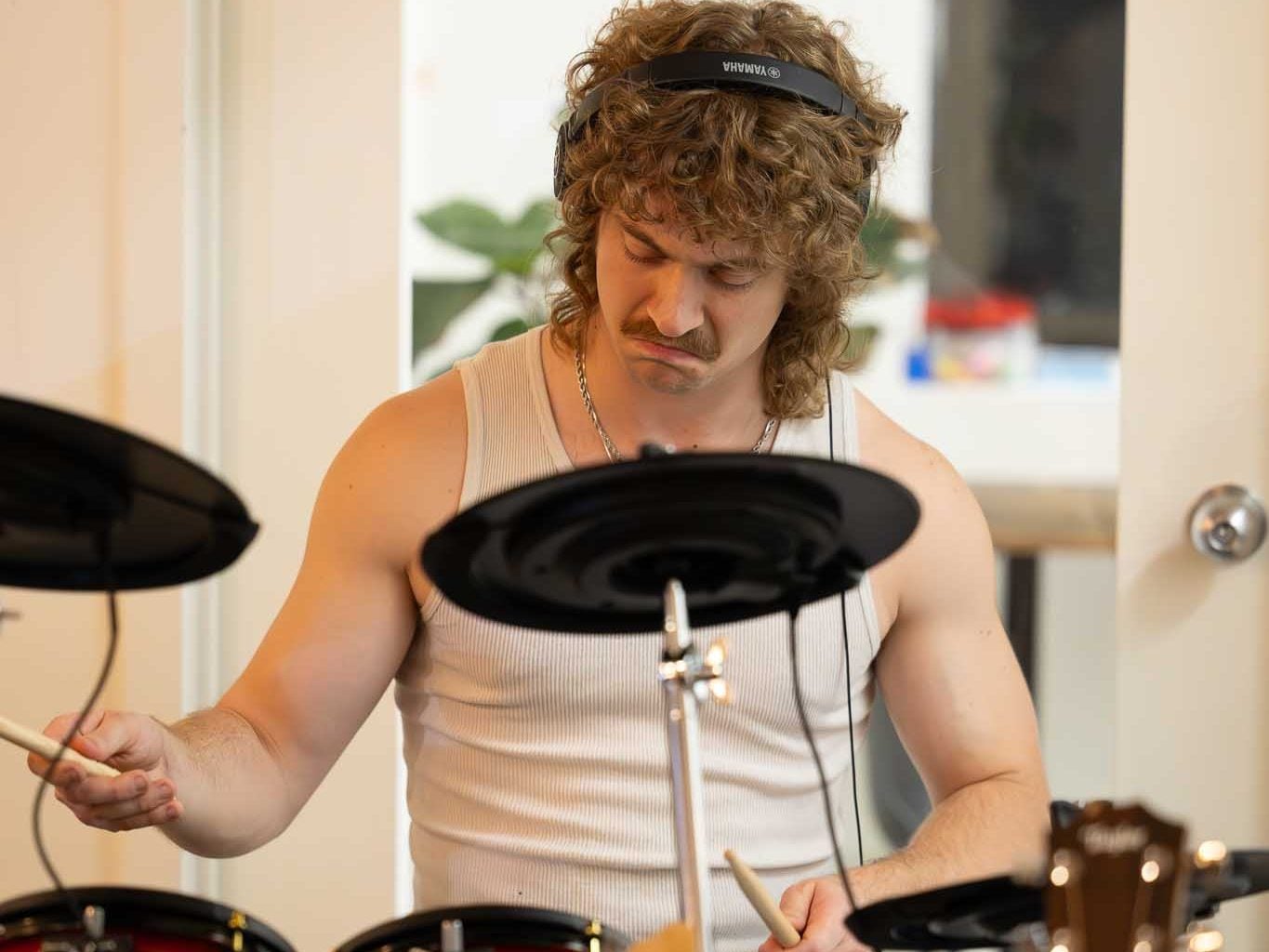
- Both acoustic and electronic options: Electronic kits are useful for certain exercises and quieter practice
Flexibility for Adult Schedules
Your life is complicated. A good program recognizes that.
- Can you book lessons at times that work with your job?
- What’s the policy if you need to miss a lesson for travel or illness?
- Are there month-to-month options, or are you locked into long contracts?
Community and Performance Opportunities
Learning in isolation limits your growth.
The best adult programs build community through group classes, jam sessions, and chances to perform. At Musicians Playground, members have access to over 100 drop-in group classes monthly plus regular performance events, creating what many describe as a “musical gym” where making music becomes part of your routine.
Setting Realistic Goals: What You’ll Actually Learn
Let’s talk real timelines. What can you actually expect to accomplish?
First 3 Months
This is foundation-building time. You’ll work on:
- Proper grip and stick control
- Basic coordination between hands and feet
- Simple rock and pop beats at slower tempos
- Introduction to reading basic rhythmic notation
- Playing along with simple songs
By the end of month three, most adults can play basic beats and keep time with straightforward songs.
6 Months to 1 Year
Now things get fun. You’ll develop:
- Comfortable grooves in rock, pop, and basic funk
- The ability to play fills and transitions
- Better dynamic control (playing loud and soft intentionally)
- Introduction to different styles like jazz and Latin
- Readiness to jam with other musicians in low-pressure settings
At this stage, many students start joining jam sessions or group classes where they play with other musicians.
1-2 Years
This is where you become a real drummer:
- Solid command of multiple genres and time signatures
- More complex fills and stylistic nuances
- Ability to learn songs independently
- Ready to play in amateur bands or at open jams
- Foundation for continued lifelong improvement
Many adult students are playing in bands or performing at showcases within two years of starting.
Drumming Styles You Can Explore
One of the beautiful things about drums is the diversity of styles open to you.
Rock and Pop
Powerful backbeats. Driving rhythms. Dramatic fills.
Rock drumming is where most adults start, and for good reason, it’s accessible for beginners while offering endless room for growth. From classic rock patterns to modern indie styles, this is often the foundation everything else builds on.
Jazz
A more sophisticated approach emphasizing swing, brush technique, and conversation with other musicians.
Boston’s jazz heritage, from the historic Wally’s Cafe to countless local venues, makes it an ideal place to explore this tradition. Jazz develops listening skills that transfer to any style.
Funk and R&B
Tight, syncopated grooves with emphasis on pocket and feel.
Learning funk teaches you something crucial: how to make simple patterns feel incredible through subtle variations in dynamics and timing. It’s all about the groove.
Latin and World Percussion
Afro-Cuban. Brazilian. African traditions. These styles have profoundly influenced all popular music.
Learning clave patterns, bossa nova, or samba opens entirely new rhythmic worlds. Boston’s diverse population supports active communities in these traditions.
Where Should You Start?
Most instructors recommend starting with rock and pop fundamentals regardless of your ultimate interests. These genres provide the clearest introduction to basic coordination and groove concepts.
Once you have a foundation, you can branch into any direction, or keep developing across multiple styles simultaneously.
What to Expect in Your First Adult Drum Lessons
Walking into your first lesson can feel intimidating. Here’s what actually happens.
The Conversation
Good instructors start by understanding you.
What music inspires you? How much time can you realistically practice? What do you hope to achieve? This conversation shapes everything that follows.
Fundamentals First
Your early lessons will typically cover:
- Proper grip and technique: How you hold the sticks affects everything else. Getting this right early prevents bad habits.
- Basic strokes: Single strokes, double strokes, the foundations of stick control.
- Introduction to the kit: Understanding what each drum and cymbal does and how they work together.
- Coordination exercises: Simple patterns to develop independence between hands and feet.
- Your first beat: Most students play a basic rock beat within their first few lessons.
The Musicians Playground Approach
At Musicians Playground, new students begin with an Intro Week Experience: a private one-hour lesson with an expert instructor plus seven days of access to group classes.
This approach lets you experience both individual instruction and the community aspects before committing to a membership. It’s designed to help you understand your learning style and determine which path fits your goals. For membership rates and how they compare to per-lesson pricing, see how much music lessons cost in Boston.
Practice Tips for Busy Adults Outside of Their Adult Drum Lessons
The biggest challenge most adult drummers face isn’t talent. It’s time.
Between work, family, and life, finding practice time requires strategy. Here’s what works:
Quality Over Quantity
Research on skill acquisition is clear: focused, deliberate practice beats mindless repetition every time.
Twenty minutes of concentrated work on specific skills yields better results than an hour of unfocused noodling. When time is limited, make every minute count.
Creative Solutions
Use practice pads. You can work on stick control and rudiments quietly anywhere, at home, at the office during lunch, while traveling. A pad and sticks fit in a backpack.
Take advantage of practice rooms. If your music school offers them, build practice time into your routine. Musicians Playground members can use soundproofed rooms with professional kits.
Consider an electronic kit. Modern e-drums are quieter and take less space, making home practice feasible in apartments.
Break it up. Two 15-minute sessions can be as effective as one 30-minute session, and often easier to schedule.
Practice mentally. Visualization actually works. Imagining yourself playing specific patterns has been shown to reinforce physical skills.
Build the Habit
Consistency matters more than intensity.
Fifteen minutes five days a week beats a two-hour session once a week. The key is making practice automatic, something you do without deciding each day.
Many successful adult learners tie practice to existing routines: first thing in the morning, during lunch, or right after dinner. Find your time and protect it.
Frequently Asked Questions
Am I too old to start adult drum lessons?
No. Adults of all ages successfully learn drums. You bring focus, motivation, and life experience that children don’t have. There’s no age limit, only the decision to start or not.
Do I need to buy a drum kit before starting lessons?
No. Most programs provide drums for lessons and often offer practice room access. Start with lessons first. A pair of sticks and a practice pad is usually enough for home practice early on. Your instructor can advise on purchasing equipment when it makes sense.
How often should I take lessons?
Weekly lessons are standard and provide the best balance of instruction and practice time. Some programs offer bi-weekly options, though progress will be slower. Supplementing private lessons with group classes accelerates learning.
Can I learn drums without reading music?
Yes. Many drummers learn primarily by ear and feel. That said, basic rhythmic notation isn’t difficult and opens up resources that speed your progress. Most instructors introduce reading gradually alongside playing skills.
What’s the difference between private lessons and group classes?
Private lessons offer individualized attention. Your instructor focuses entirely on your needs and adapts to your pace.
Group classes provide social interaction, ensemble experience, and exposure to different perspectives.
The best approach combines both.
How long until I can play songs?
Most adults play simple songs within their first month. Basic rock and pop beats, the foundation of countless songs, are among the first things you’ll learn. Complexity increases as your skills develop.
Ready to Get Started? Take Your First Adult Drum Lessons
If you’ve read this far, you’re serious about exploring drums.
The next step is simple: try a lesson.
Why Musicians Playground?
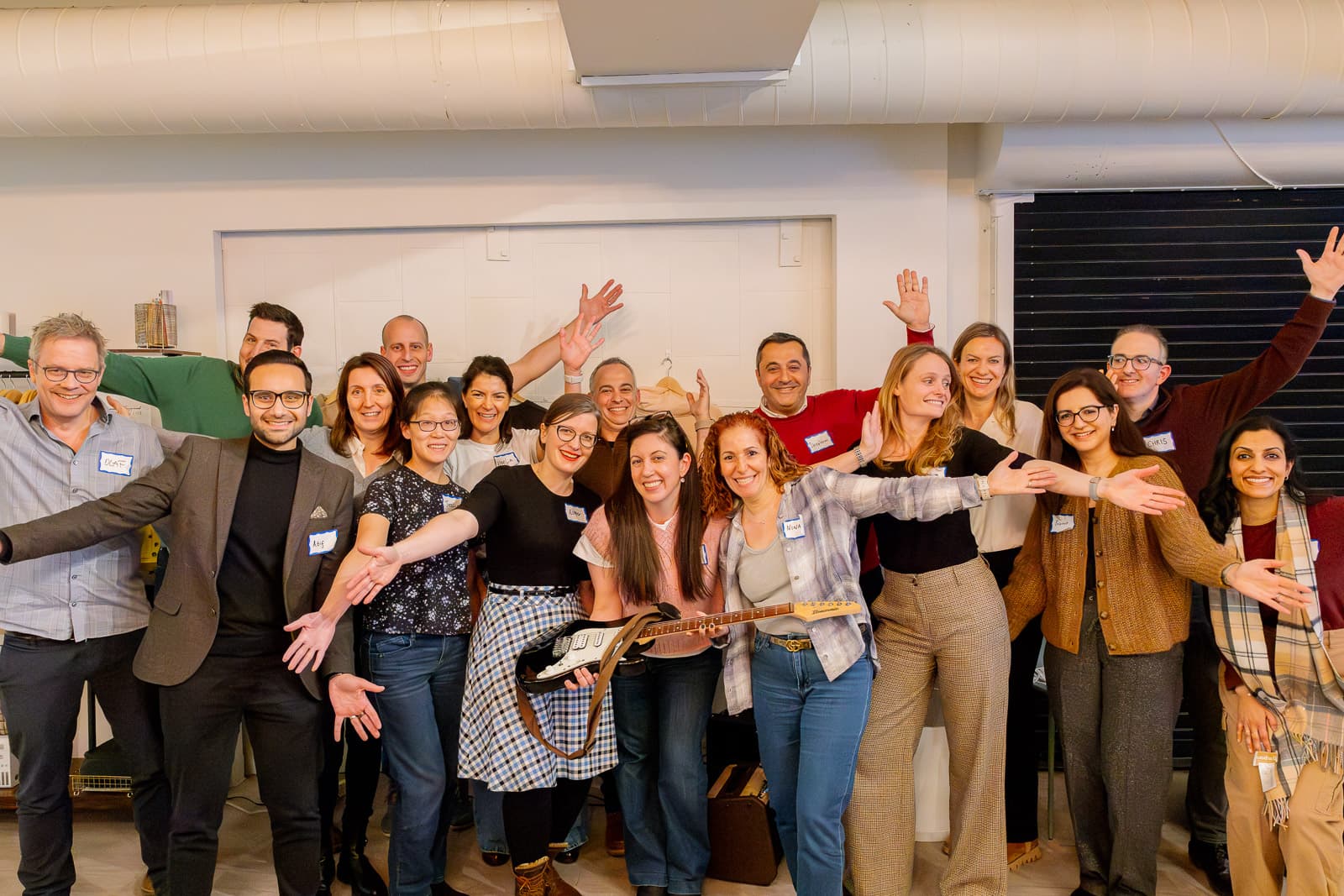
Musicians Playground in Downtown Boston was built specifically for adult hobbyists who want music to be a meaningful part of their lives.
Here’s what makes the program different:
- Working Boston musicians who are active performers and expert educators
- Professional facilities including quality drum kits and soundproofed practice rooms in a 3,000 sq ft Downtown Crossing studio
- A real community of 200+ adult members with 100+ drop-in group classes monthly
- Flexible memberships designed for busy professional schedules
- Practice room access so you can play on professional equipment even without a kit at home
- Regular performance opportunities to put your skills into practice
The Intro Week Experience
New to Musicians Playground? The Intro Week Experience ($100) includes:
- A private one-hour lesson with an expert instructor
- Seven days of unlimited group class access
- A consultation with a music advisor to find your best path forward
The fee is fully credited toward your next purchase, so it’s essentially a risk-free way to experience everything we offer.
Start Your Drumming Journey
Visit us at 33 West Street, Floor 5, Boston
Downtown Crossing, Accessible from all major T stops
Learn More About Adult Drum Lessons →
The best time to start learning drums was years ago.
The second-best time is now.