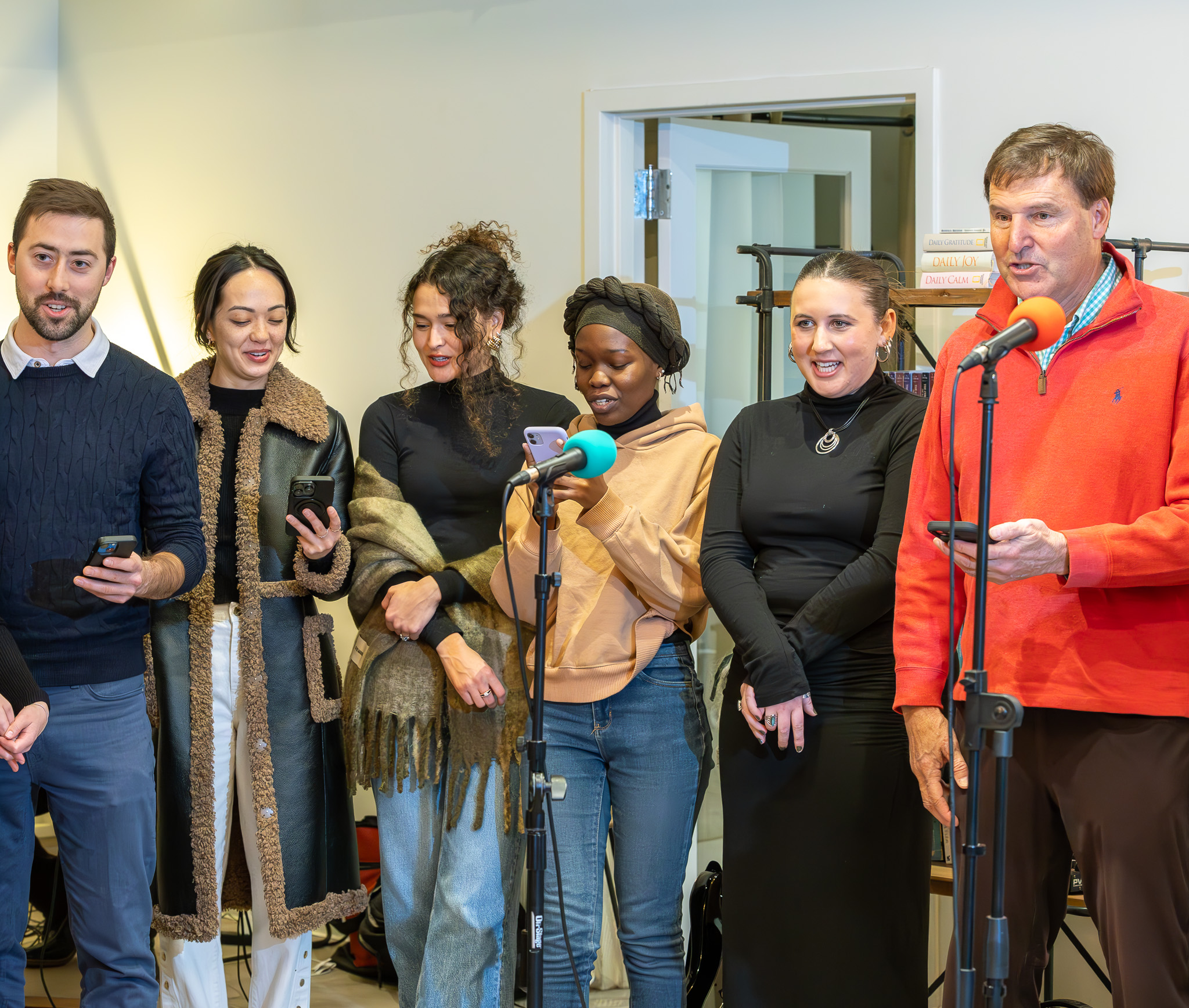
Most adults who pick up bass guitar have one ultimate goal in mind: to play in a band. Specifically, they imagine themselves on stage, locked in with a drummer, looking out at a small crowd of friends and strangers enjoying the music. As a result, understanding how bass guitar progression works for adult learners is one of the most useful things you can do early in your journey.
This guide lays out a realistic timeline from your first lesson to your first gig. Furthermore, we’ll cover what to expect at each stage, what to focus on, and how to avoid the plateau that traps so many bass students. Therefore, by the end, you’ll have a clear roadmap for the next two years of your bass life.
Why a Clear Progression Path Matters for Adults
Adult learners face a particular challenge: it’s easy to feel like you’re not progressing. Specifically, the day-to-day improvements are too small to notice. As a result, adults often quit because they feel stuck, even when they’re actually getting better.
Therefore, having clear milestones helps. Furthermore, knowing what to expect at each stage means you can recognize progress when it happens. As a result, you stay motivated through the inevitable rough patches.
The “musician identity” milestone
Most adult bass students hit a moment around month six where they start thinking of themselves as a musician rather than someone learning bass. Specifically, this shift in identity is more powerful than any single technique they’ve learned. Furthermore, it usually coincides with playing along with other musicians for the first time.
Months 1 to 3: Foundation
The first three months are about establishing fundamentals. Therefore, don’t rush. Specifically, the habits you build now will follow you for years.
What to expect
You’ll learn how to hold the bass, the names of the strings, basic plucking technique, and your first scale (the minor pentatonic). Furthermore, you’ll play your first complete song within your first three lessons. By the end of month three, you should be playing along with 3 to 5 simple songs.
What to focus on
Three things matter at this stage. First, posture. Second, plucking-hand alternation. Third, time-keeping with a metronome. Specifically, drilling these three skills builds the foundation for everything else. As a result, students who skip these basics struggle for years.
Common challenges
Sore fingertips and fretting-hand fatigue are universal. Furthermore, most adult students feel uncoordinated for the first several weeks as their hands learn new motions. Therefore, push through this phase. It ends.
Months 4 to 6: First Songs and Scales
By month four, your fingertips are toughened and your basic technique is solid. Furthermore, you can start tackling more complex material. Therefore, this is when bass starts feeling fun rather than just like work.
What to expect
You’ll learn the major scale, expand into the natural minor, and start playing songs that move across all four strings. Furthermore, you’ll begin to read tab fluently. By the end of month six, you should be able to play 8 to 12 songs from start to finish.
What to focus on
This is when you start applying scales to real music. Specifically, learn songs that use the scales you’ve been practicing. Furthermore, start using a metronome on every song you play. As a result, your timing develops alongside your scale knowledge.
The “I’m getting good” moment
Around month five, most adult students hit a moment where they realize they can actually play bass. Specifically, they pick up the instrument and a bass line just flows out. Furthermore, this realization changes how they think about themselves. As a result, motivation skyrockets.
Months 7 to 9: Technique Diversification
By month seven, your basics are solid enough to start exploring different techniques. Therefore, this is when you decide what kind of bassist you want to be.
What to expect
You’ll start working on slap bass, walking bass lines, or pick technique, depending on what musical styles you want to play. Furthermore, you’ll begin developing your own voice as a bassist rather than just imitating others. By month nine, you’ll have technique options that let you play in multiple styles.
What to focus on
Pick one new technique to develop deeply rather than dabbling in many. Specifically, if you love funk, dive into slap bass. If you’re drawn to jazz or blues, work on walking bass lines. As a result, you’ll have one new technique you can actually use rather than three you can’t.
The intermediate plateau
Many students hit a wall around month eight. Specifically, the rapid early progress slows down. Furthermore, the songs that felt impossible six months ago now feel easy, but the next level of songs feels far away. Therefore, this is when many self-taught players quit.
Working with a teacher is what gets you through this plateau. Specifically, your instructor can identify exactly what’s holding you back and prescribe targeted exercises. As a result, you break through rather than stalling.
Months 10 to 12: First Band Experience
By the end of your first year, most adult bass students are ready to play with other musicians. Therefore, this is when bass becomes truly fun.
What to expect
You’ll start playing along with other students in group classes, jam sessions, or band programs. Furthermore, you’ll discover that playing with others is dramatically different from playing alone. As a result, your skills will accelerate as you adjust to real-time musical interaction.
The BAND+ option
Our BAND+ program is a 12-week curated band experience designed for intermediate adult musicians. Specifically, you join a band, learn a setlist together, and perform live at the end. Furthermore, BAND+ is transformative for adults who’ve been practicing alone for months.
Most adult bassists are ready for BAND+ by month 10 to 12. Therefore, this is the natural progression from solo practice to ensemble playing.
What changes when you play with others
Three things click into place when you play with a band. First, your sense of time becomes much sharper because you’re locking in with a real drummer. Second, your understanding of song structure deepens because you’re hearing all the parts. Third, your confidence grows because you’re contributing to something bigger than yourself.

Year 2: Performance and Style
Your second year of bass is where you become a real musician. Specifically, you’ll perform live, develop a signature playing style, and start playing in multiple styles depending on the band’s needs.
What to expect
You’ll perform live for the first time, probably as part of BAND+. Furthermore, you’ll start adapting your playing to fit different drummers and song styles. As a result, you’ll discover that bass is more about adaptability than technique.
The “professional sound” milestone
Around month 18, your playing crosses a threshold where it starts sounding professional rather than amateur. Specifically, your timing locks in tightly, your tone is consistent, and your bass lines feel intentional rather than tentative. Furthermore, this is the milestone every adult bass student secretly wants. As a result, achieving it is enormously rewarding.
Specializing
By the end of year two, you’ll know what kind of bassist you want to be. Some adults gravitate toward jazz. Some toward funk. Some toward rock. Furthermore, this specialization helps you focus your continued practice. As a result, your year-three goals become clearer.
Year 3 and Beyond: Lifelong Music
Bass guitar is one of those instruments that keeps revealing depth. Specifically, the bassists you most admire have spent decades on the instrument and still find new things to learn. Therefore, your bass journey doesn’t end. It just becomes more refined.
What advanced bass looks like
Advanced bassists work on subtle aspects of music: groove, feel, ensemble dynamics, improvisation over complex chord changes, and recording technique. Furthermore, they often expand into different bass guitar configurations, five and six string instruments among them.
The community matters
By this point, you’re part of a musical community. Specifically, you have jam partners, band members, and fellow students who share your passion. Furthermore, this community is what keeps the music going through life’s ups and downs. As a result, the social aspect of music becomes as valuable as the music itself.
How Lessons Accelerate Your Progression
This entire timeline assumes you’re working with a professionally performing instructor. Specifically, self-taught players often take 2 to 3 times longer to hit each milestone. Furthermore, they typically miss certain skills entirely because they don’t know what they don’t know.
At Musicians Playground, our adult bass students follow a structured progression that hits the milestones above on schedule. Furthermore, our group classes give you regular ensemble playing experience long before you join BAND+. As a result, you arrive at year-end ready for the next stage rather than feeling stuck.
The role of group classes
Private lessons drive your individual progress. Furthermore, group classes drive your ensemble skills. Specifically, you can’t develop the ability to lock in with other musicians by practicing alone. Therefore, our hybrid model, private lessons plus group classes, accelerates progression dramatically.
Common Detours That Slow Adult Progression
Adult students often slow themselves down in predictable ways. Therefore, knowing them helps you avoid them.
Detour 1: Inconsistent practice
Adults practice intensely for two weeks, miss a week, then start over. Furthermore, this stop-start pattern is the single biggest reason adults plateau. Therefore, focus on showing up daily, even for ten minutes, over heroic but sporadic sessions.
Detour 2: Avoiding hard things
It’s tempting to keep practicing what you’re already good at. However, real progression comes from working on what’s hard. Therefore, structure your practice to include something challenging in every session.
Detour 3: Not playing with others soon enough
Many adults wait too long to play with other people. Specifically, they want to be “ready” before joining a jam session. However, you become ready by playing with others, not before. Therefore, find ensemble opportunities, group classes, jam sessions, BAND+, as soon as you have basic competence.
Detour 4: Comparing to professionals
Watching a Marcus Miller or Flea video can be inspiring or demoralizing depending on your mindset. Specifically, comparing yourself to professionals with 30+ years of experience makes you feel terrible. Therefore, compare yourself to where you were six months ago. As a result, you’ll see real progress.
Frequently Asked Questions
How long until I can play in a band?
Most adult students who practice consistently and take lessons can play in a band setting by month 10 to 12. Furthermore, our BAND+ program is designed specifically for adults at this stage of progression.
Will I be a “real” bassist after a year?
Yes, in a meaningful sense. Specifically, after a year of consistent practice with a teacher, you’ll be able to play with other musicians, learn songs from records, and contribute to a band’s sound. Furthermore, that’s the working definition of being a bassist.
Is two years enough to become really good?
Two years is enough to become genuinely competent. Furthermore, “really good” depends on your standards. Specifically, if you compare yourself to professional touring bassists, no. If you compare yourself to the bassist in your friend’s wedding band, absolutely.
How do I know if I’m on track?
Compare your progress to the milestones in this article. Furthermore, ask your instructor for honest feedback every few months. As a result, you’ll have an objective sense of your progression.
Ready to Start Your Bass Guitar Progression?
Bass guitar is a multi-year journey that pays back enormously over a lifetime. Specifically, the skills you build, the people you meet, and the music you make become part of who you are. Therefore, starting matters more than starting perfectly.
At Musicians Playground, our adult-only studio in Downtown Crossing is built for working professionals on this exact journey. Our $100 Intro Week gives you private lessons, group classes, and full studio access for seven days. Furthermore, your $100 applies toward your first month’s membership if you decide to join. To explore the full bass guitar journey, read our complete guide to bass guitar lessons in Boston. Start the progression. Show up consistently. As a result, you’ll be the bassist you’ve always wanted to be.